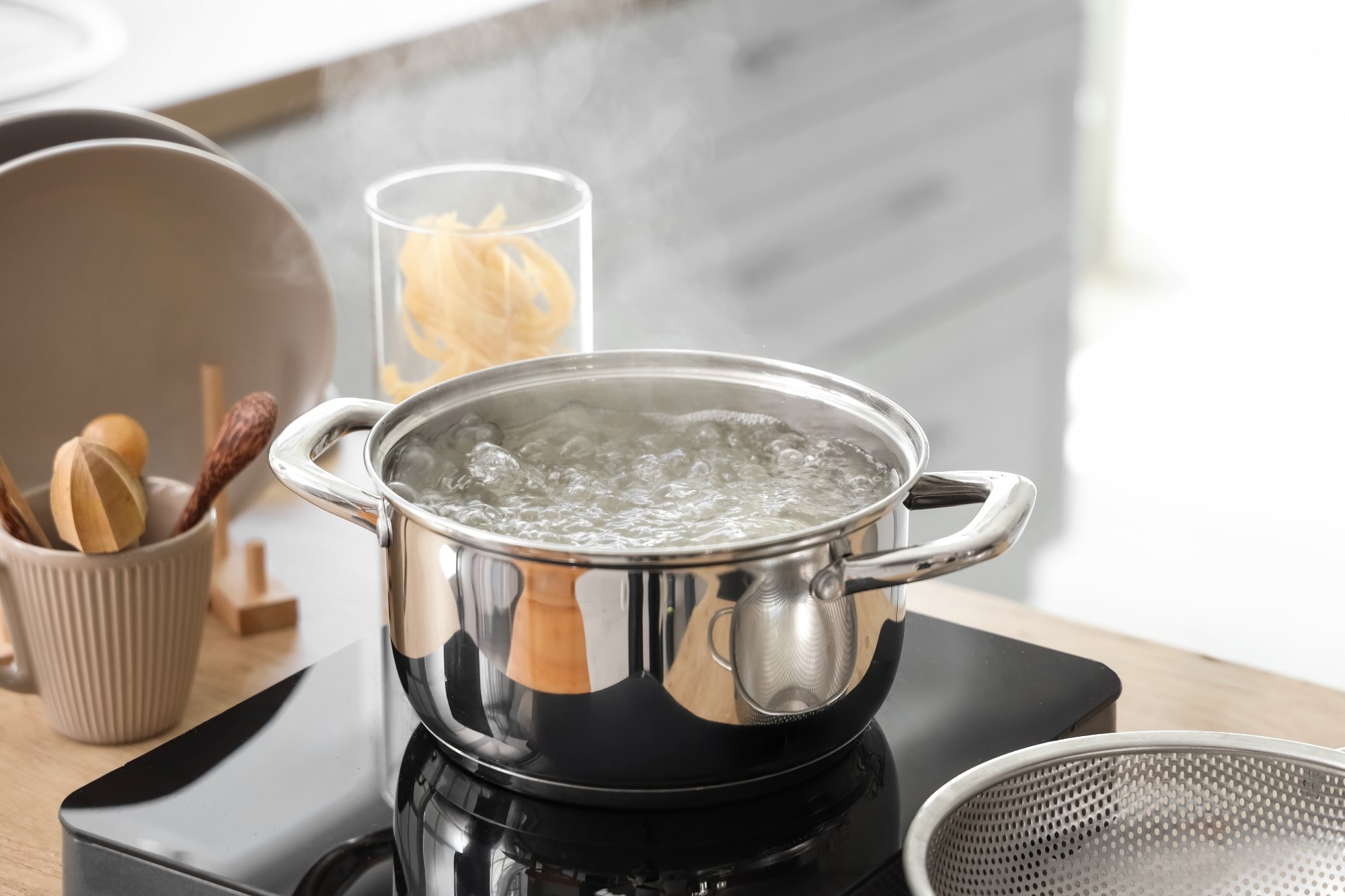
Pressure cooking may retain more nutrients in certain foods than traditional boiling, as the method minimizes cooking duration and exposure to water and oxidation. However, the effectiveness varies depending on the type of food and the stability of its nutrients, as well as whether cooking liquids are retained or discarded. Nutritionists emphasize that while pressure cooking can be beneficial, it is not universally superior for all nutrients in every food. The process’s impact on vitamins, minerals, and antioxidants requires careful consideration based on specific dietary needs.
Pressure cooking often preserves more nutrients than boiling by reducing cooking time, water exposure, and oxidation, but outcomes depend on food type, nutrient stability, and whether cooking liquids ...