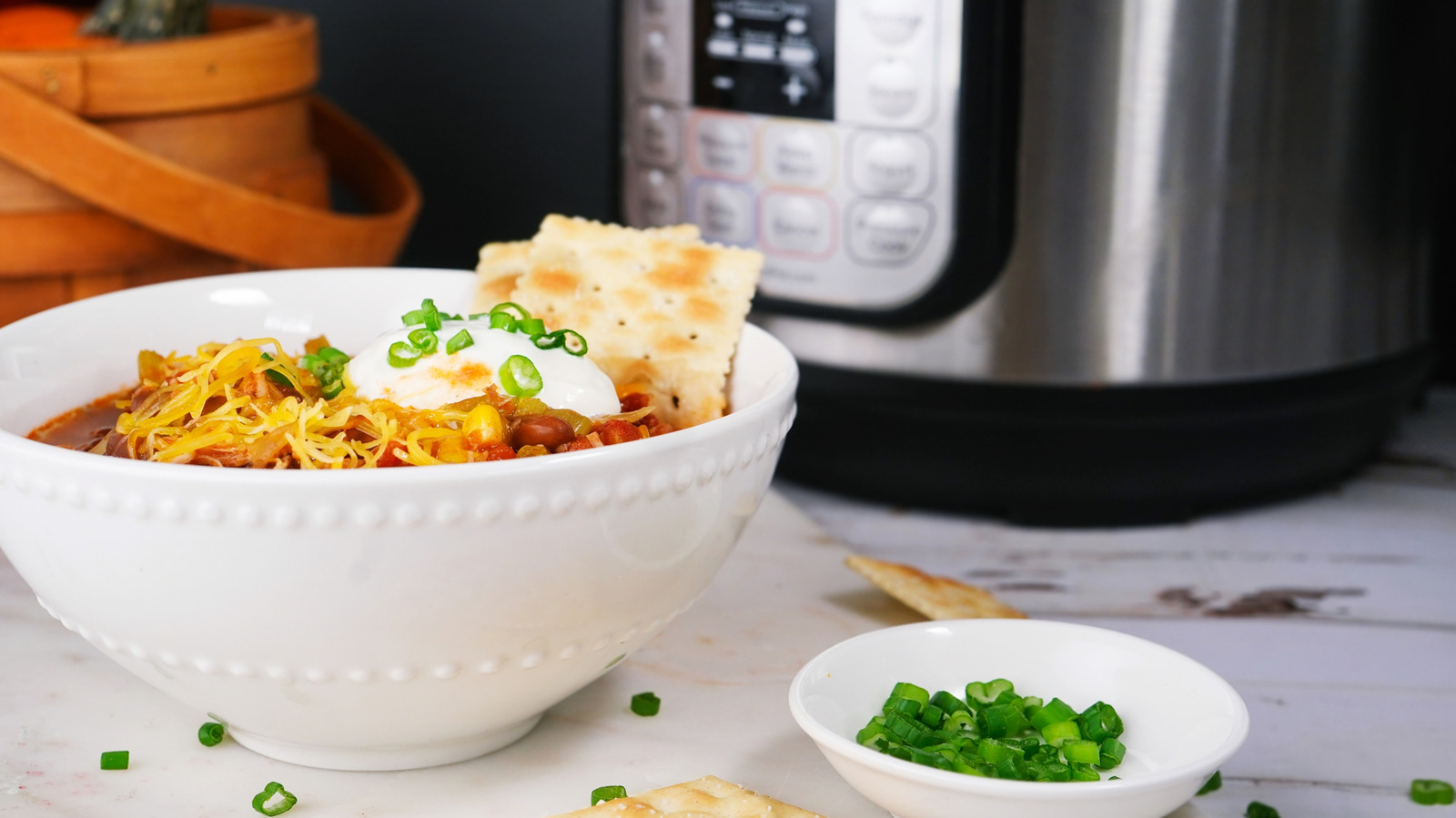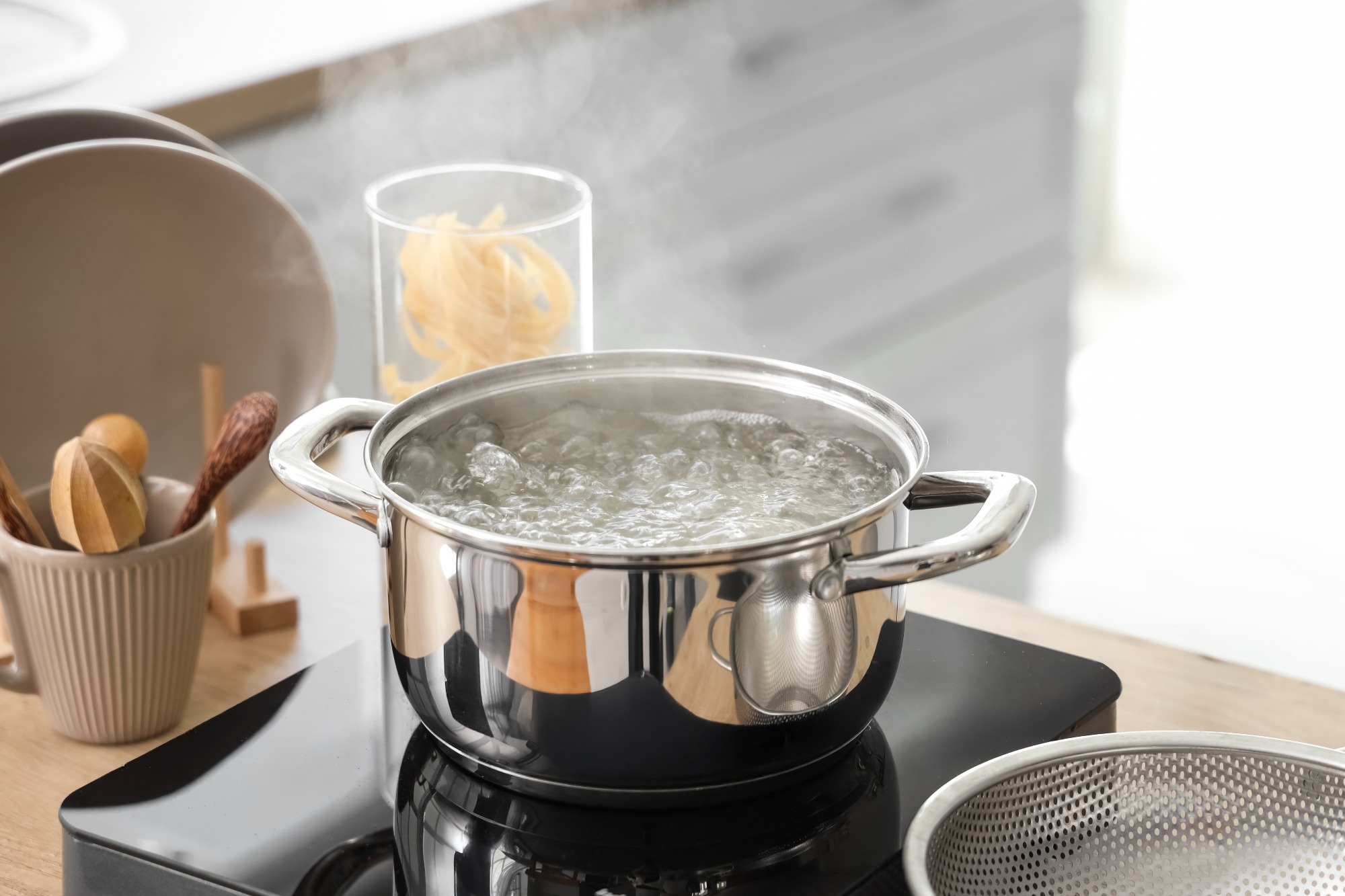
Pressure cooking may retain more nutrients than boiling due to shorter cooking times and reduced exposure to water and oxidation, but its effectiveness varies depending on the type of food and how stable its nutrients are during the process. Unlike boiling, which can leach out water-soluble vitamins, pressure cooking minimizes nutrient loss in certain foods by sealing them in steam. However, the method’s benefits hinge on whether the cooking liquid is retained or discarded, as some nutrients dissolve into it. For those prioritizing nutrition, the choice between pressure cooking and boiling could make a noticeable difference in what ends up on the plate.
Pressure cooking often preserves more nutrients than boiling by reducing cooking time, water exposure, and oxidation, but outcomes depend on food type, nutrient stability, and whether cooking liquids ...