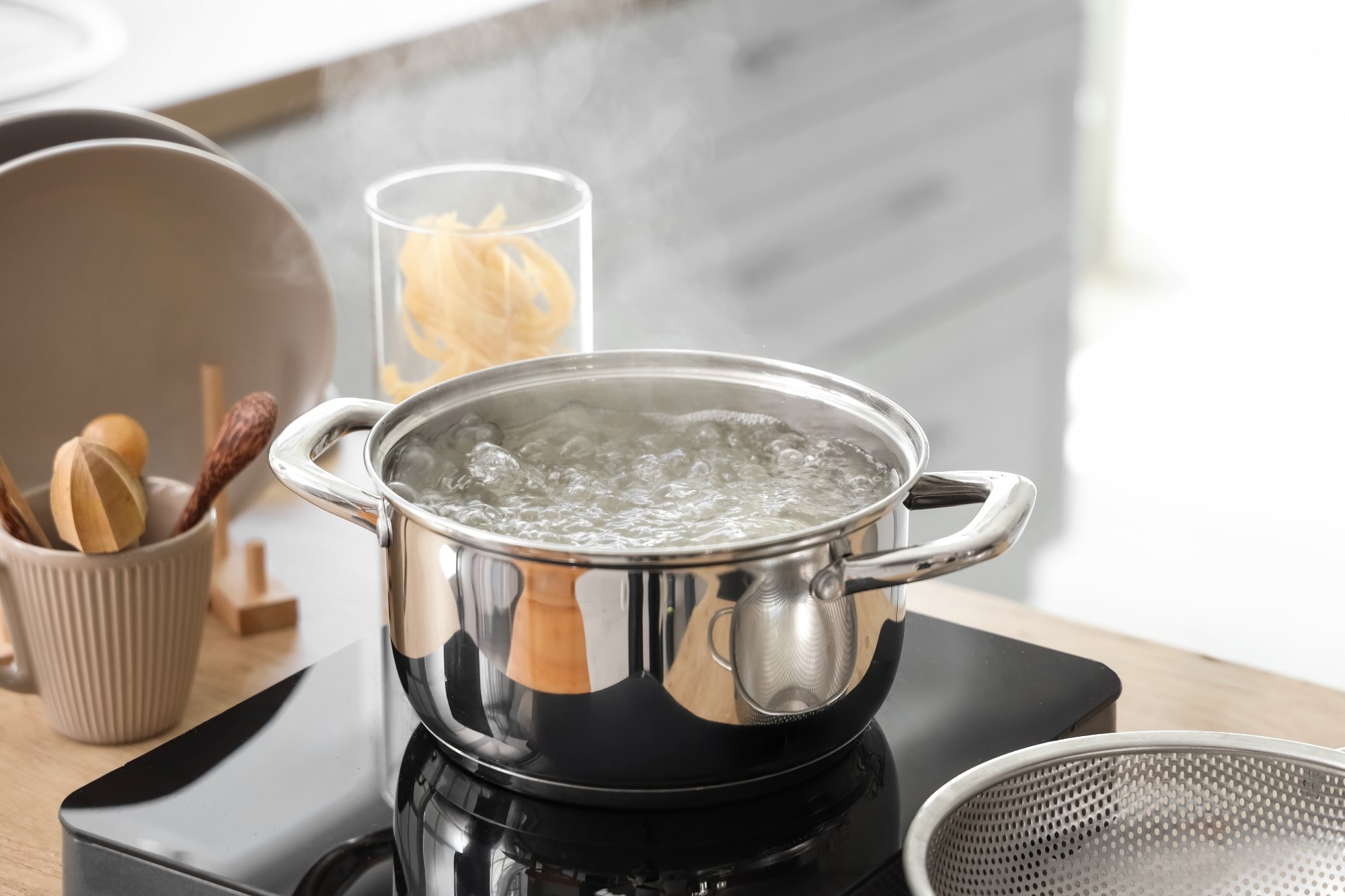
Pressure cooking may retain more nutrients than boiling due to shorter cooking times and reduced exposure to water and oxidation, but its effectiveness varies depending on the type of food and how stable its nutrients are during the process. Unlike boiling, which can leach out water-soluble vitamins and minerals, pressure cooking limits nutrient loss by sealing food in steam. However, the method’s benefits hinge on whether the cooking liquid is retained or discarded, as some nutrients dissolve into it. Experts suggest that while pressure cooking is generally more efficient, certain foods and nutrients may still degrade regardless of the technique used.
Pressure cooking often preserves more nutrients than boiling by reducing cooking time, water exposure, and oxidation, but outcomes depend on food type, nutrient stability, and whether cooking liquids ...