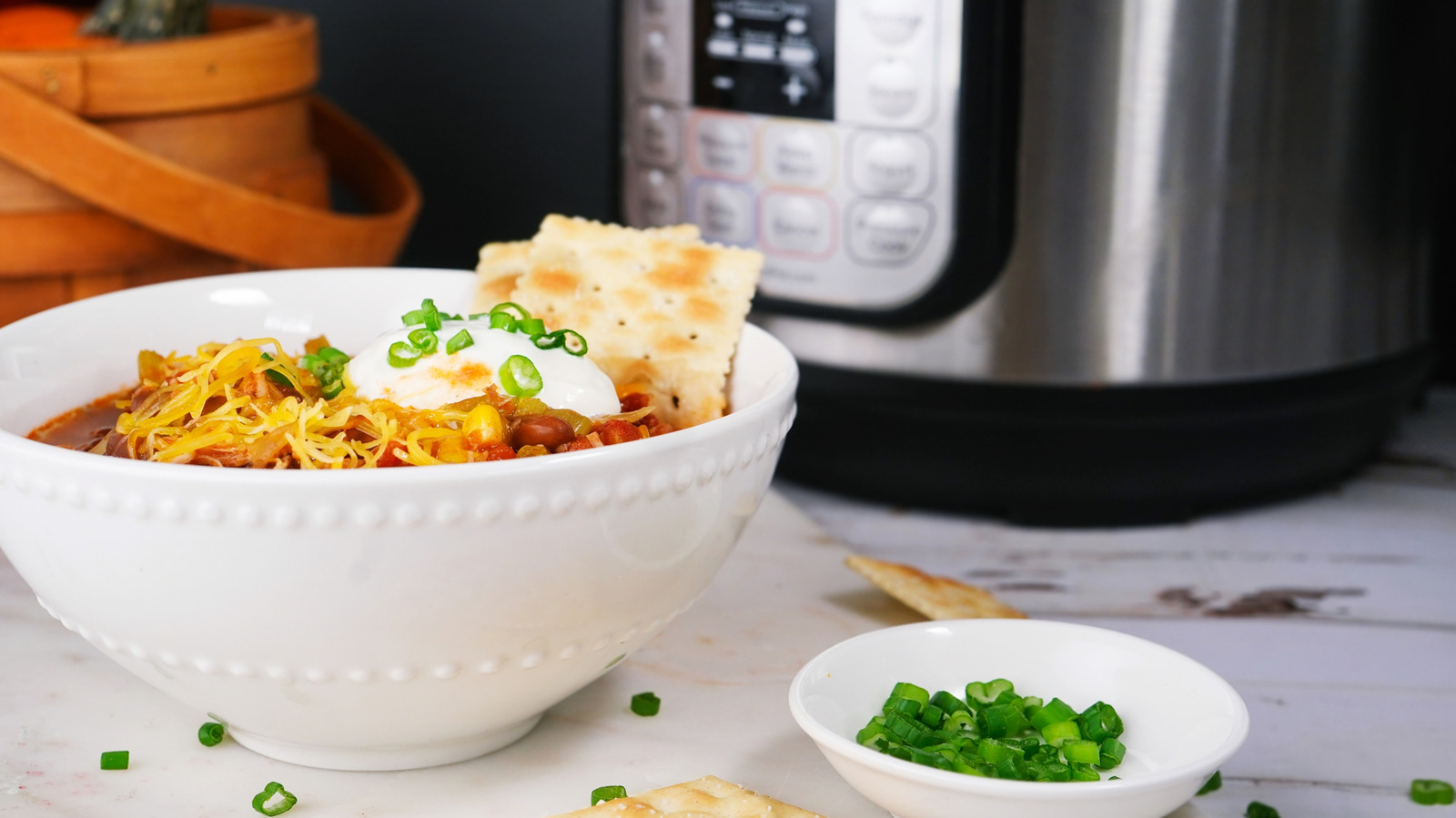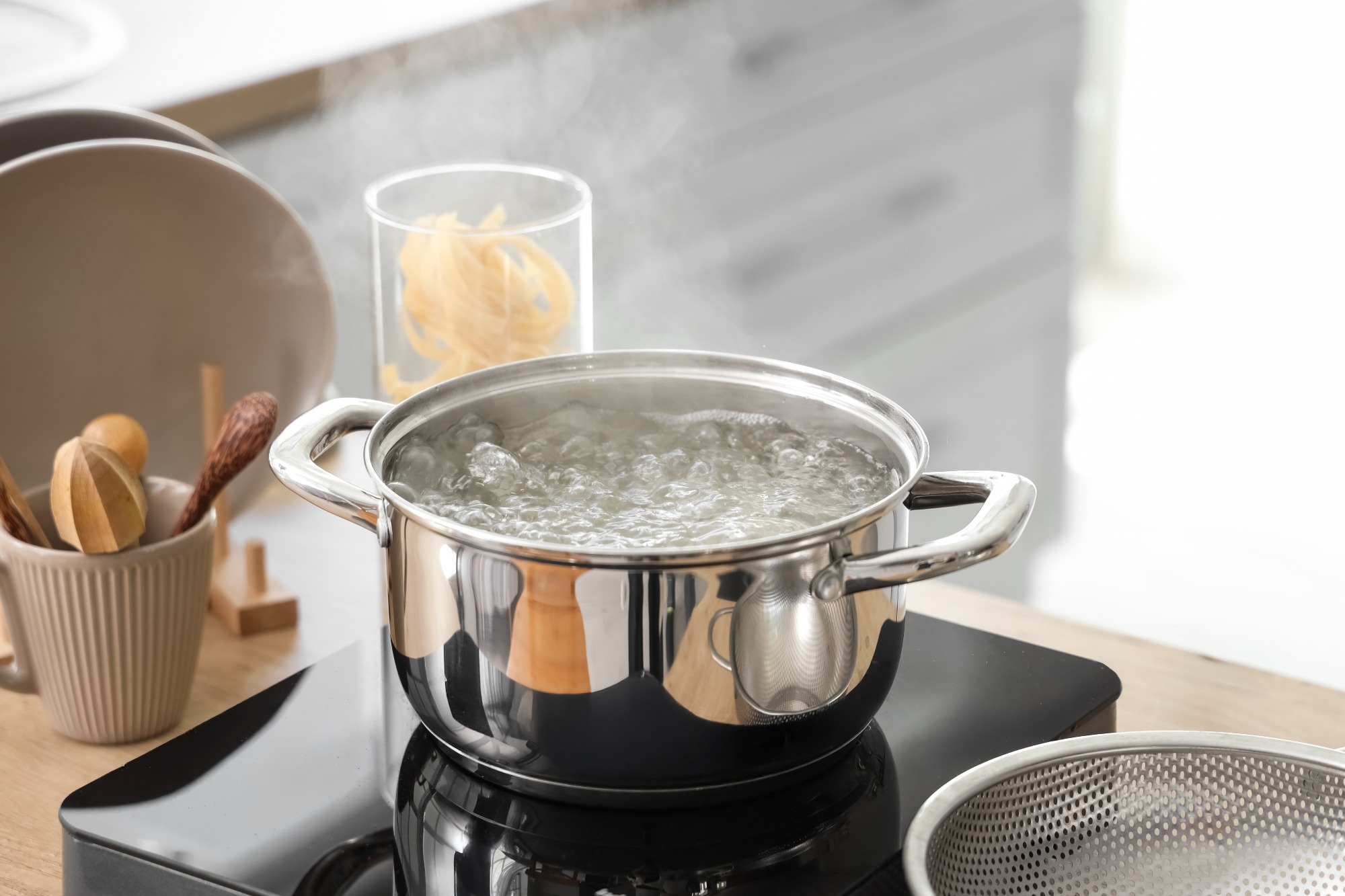
Pressure cooking may retain more nutrients than boiling due to shorter cooking times and limited exposure to water and oxidation, which can degrade vitamins and minerals. However, the effectiveness varies depending on the type of food and the stability of its nutrients, as well as whether the cooking liquid is retained or discarded. The method’s efficiency also hinges on how heat and pressure interact with different ingredients. For those focused on nutrition, understanding these factors could influence meal preparation choices.
Pressure cooking often preserves more nutrients than boiling by reducing cooking time, water exposure, and oxidation, but outcomes depend on food type, nutrient stability, and whether cooking liquids ...