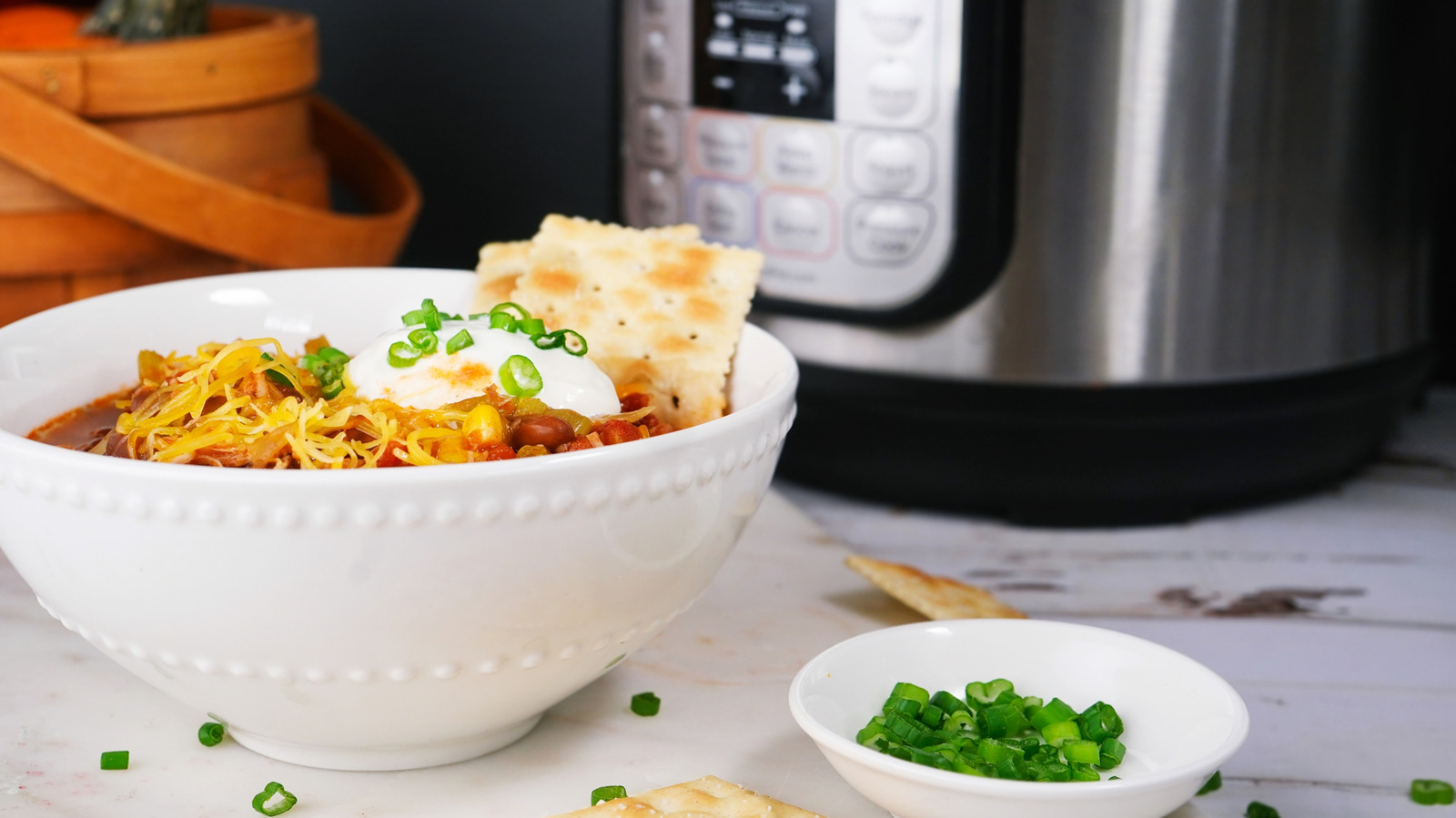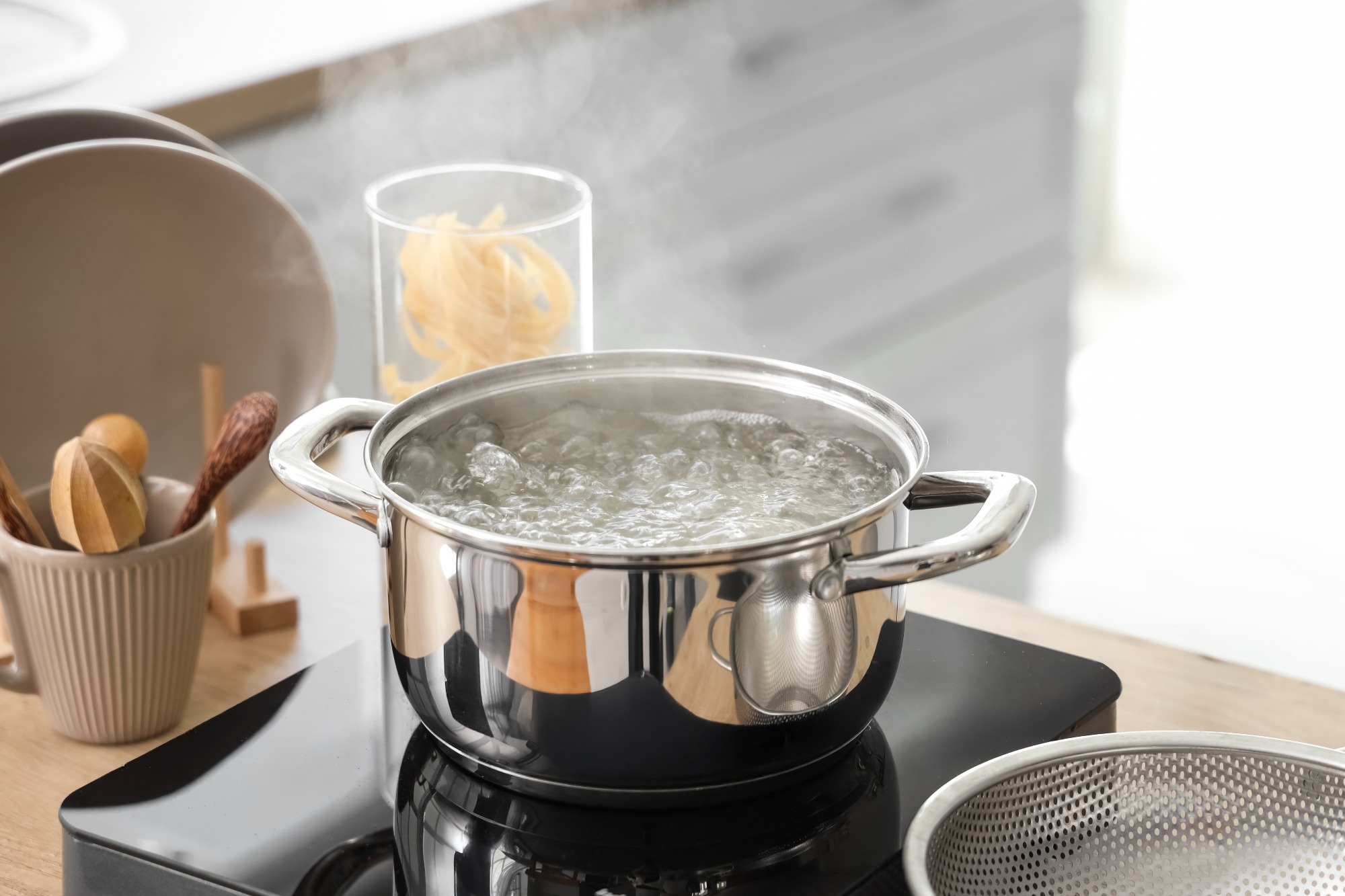
Pressure cooking may retain more nutrients than boiling due to shorter cooking times and limited water exposure, which helps minimize nutrient loss from oxidation and leaching. However, the effectiveness varies depending on the type of food and the stability of its nutrients, as well as whether the cooking liquid is retained or discarded. Studies suggest this method can be particularly beneficial for heat-sensitive vitamins like vitamin C and B vitamins, though some minerals may still dissolve into the water. The approach offers a potential advantage for those seeking to maximize nutritional value in home-cooked meals.
Pressure cooking often preserves more nutrients than boiling by reducing cooking time, water exposure, and oxidation, but outcomes depend on food type, nutrient stability, and whether cooking liquids ...