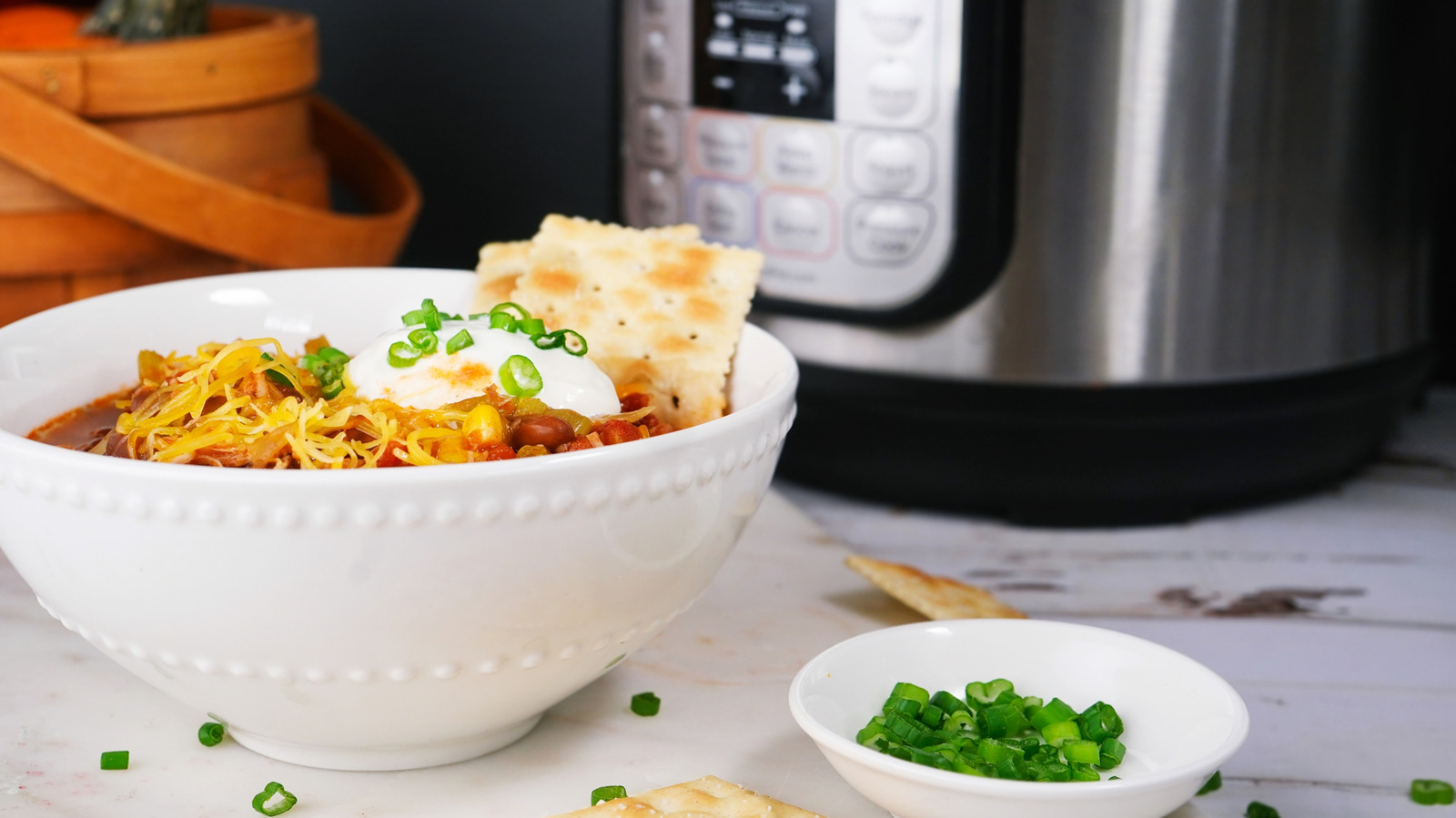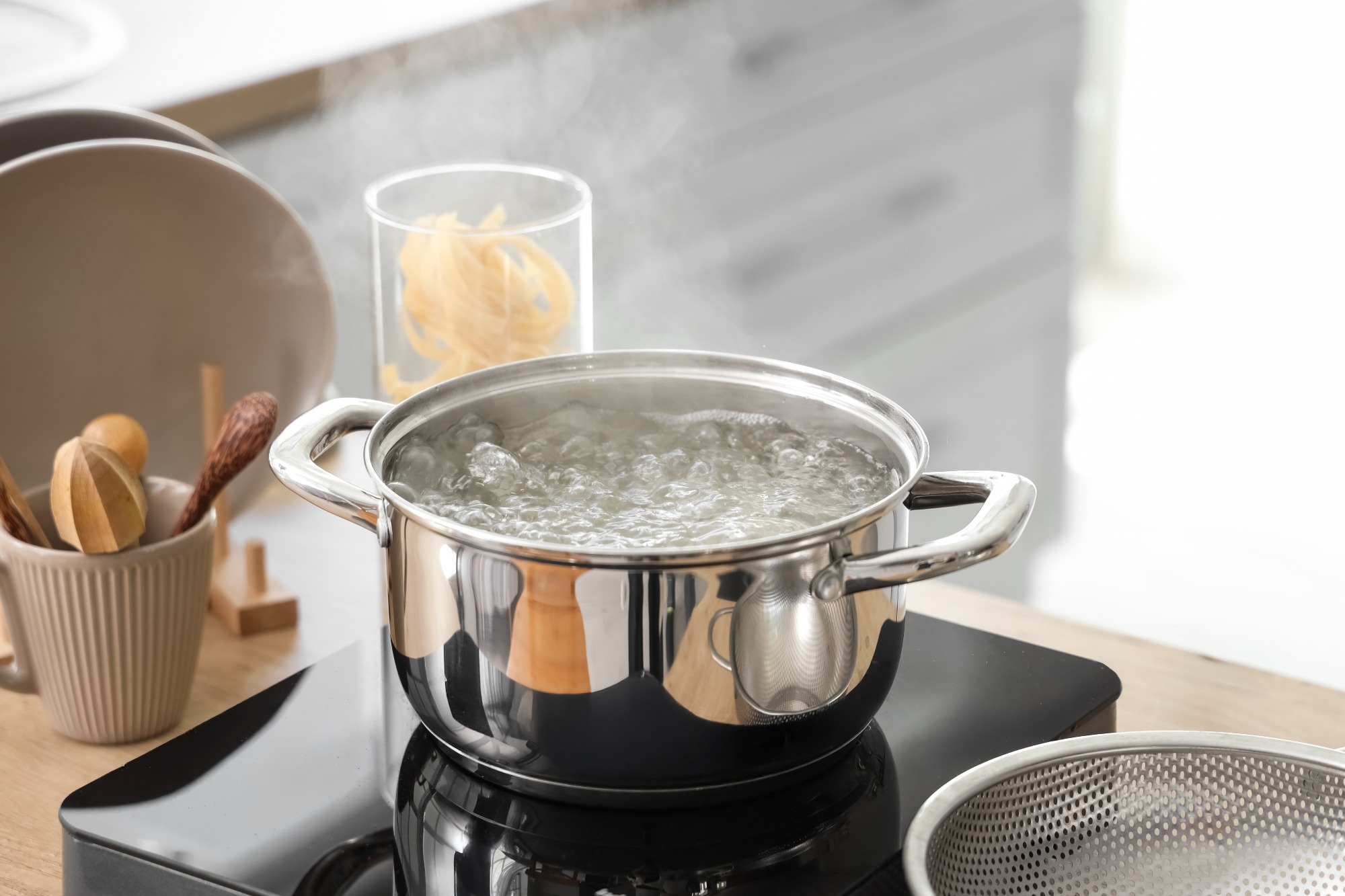
Pressure cooking may retain more nutrients in certain foods than traditional boiling by minimizing cooking duration and limiting exposure to water and oxidation. However, the effectiveness varies depending on the type of food and the stability of its nutrients, as well as whether the cooking liquid is retained. This method could offer a healthier alternative for nutrient-sensitive ingredients like vegetables, though not all foods benefit equally. The article explores how these factors influence nutrient preservation in pressure-cooked meals.
Pressure cooking often preserves more nutrients than boiling by reducing cooking time, water exposure, and oxidation, but outcomes depend on food type, nutrient stability, and whether cooking liquids ...