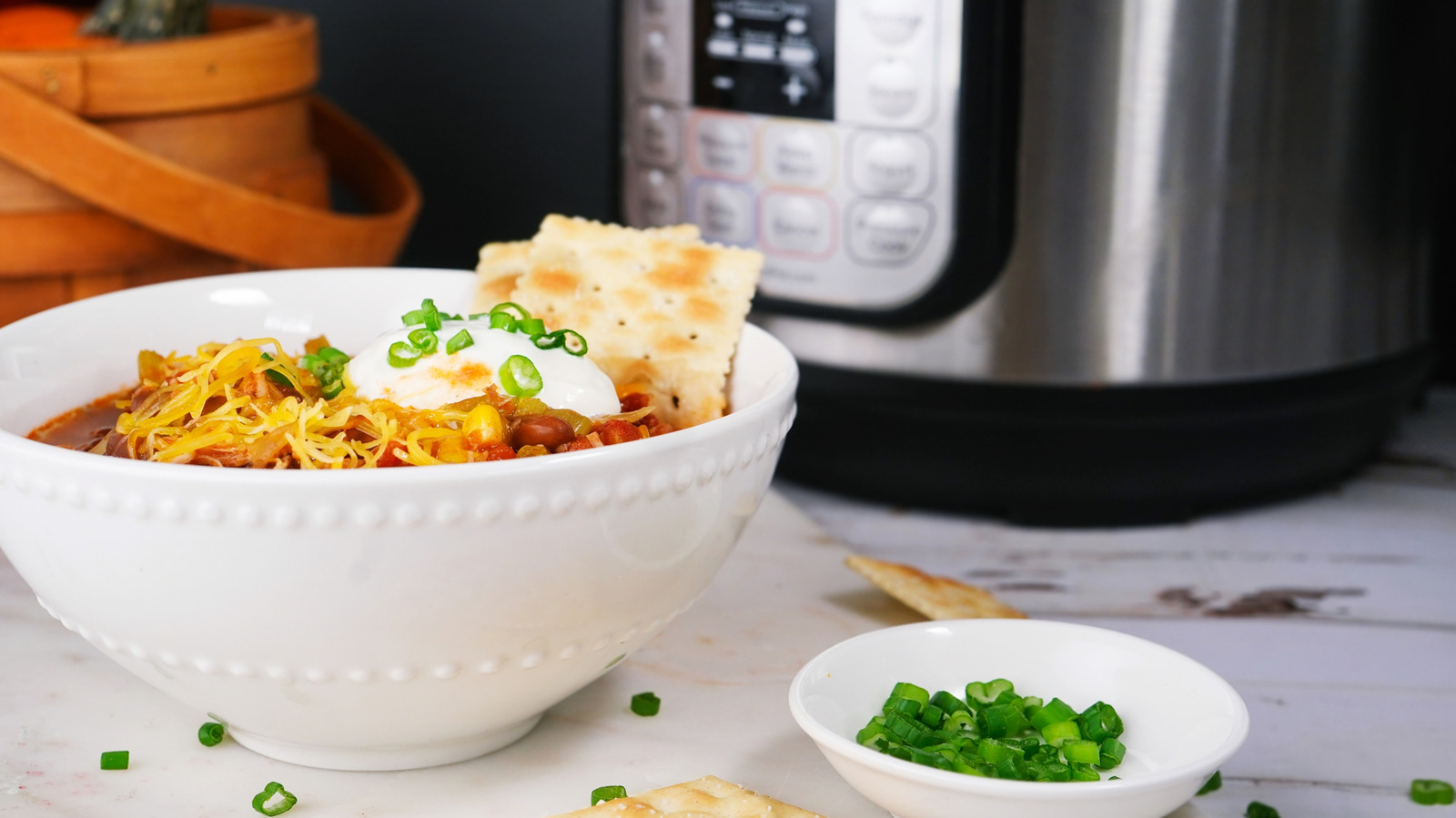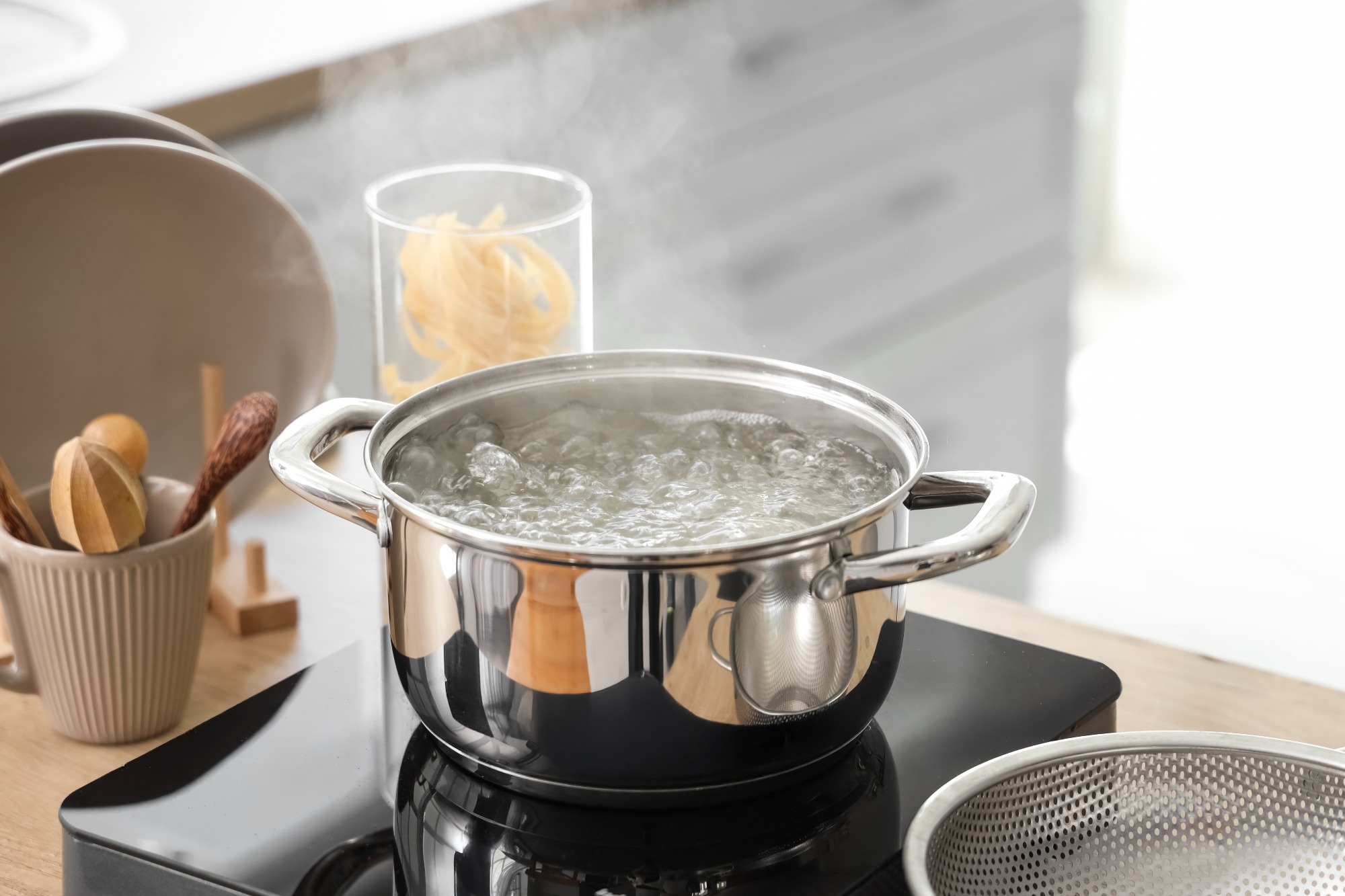
Pressure cooking may retain more nutrients than boiling due to shorter cooking times and less exposure to water and oxidation, but its effectiveness varies depending on the type of food and how stable its nutrients are during the process. The method’s benefits hinge on minimizing nutrient loss, though the retention of vitamins and minerals also relies on whether cooking liquids are discarded or reused. Experts note that while pressure cooking can be superior for certain foods, its advantages are not universal and depend on specific preparation techniques. For those focused on nutrition, understanding these factors could influence cooking choices.
Pressure cooking often preserves more nutrients than boiling by reducing cooking time, water exposure, and oxidation, but outcomes depend on food type, nutrient stability, and whether cooking liquids ...