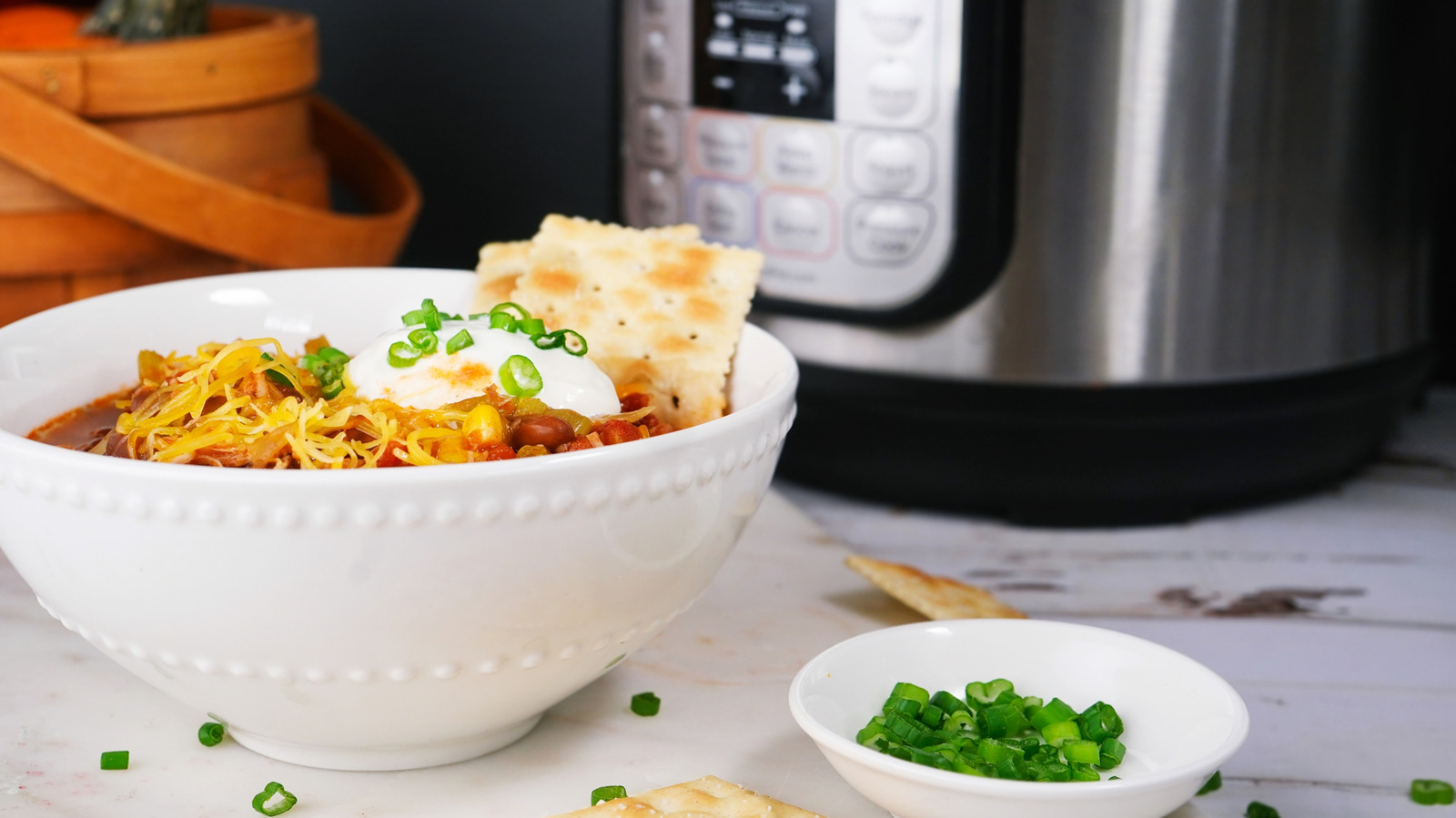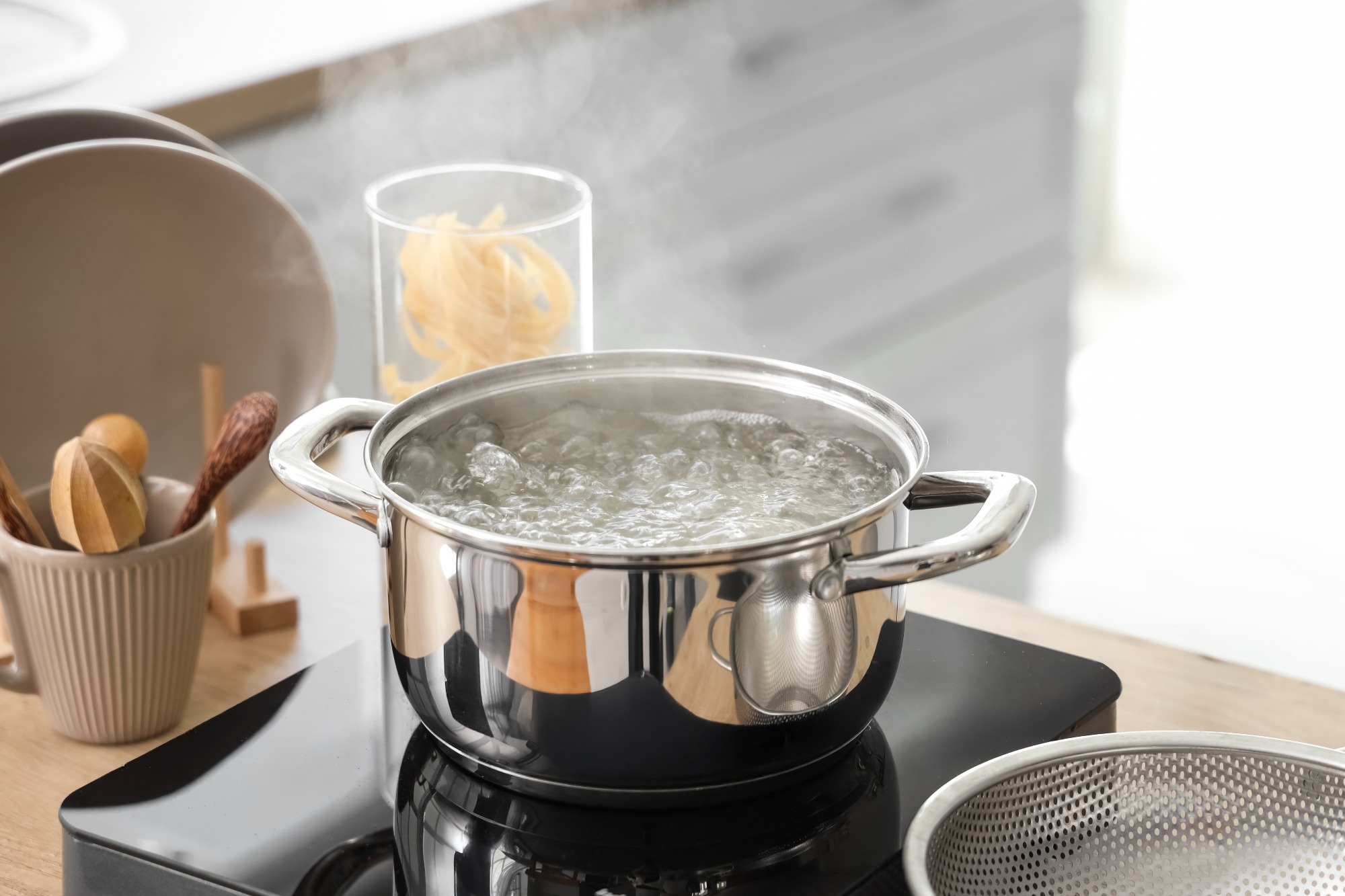
Pressure cooking may retain more nutrients than boiling due to shorter cooking times and less exposure to water and oxidation, but its effectiveness varies depending on the type of food and how stable its nutrients are during the process. The method’s benefits hinge on minimizing nutrient loss, though the retention of vitamins and minerals can differ significantly across different ingredients. Researchers emphasize that whether cooking liquids are reused also plays a key role in determining overall nutrient preservation. For those focused on maximizing nutrition in meals, understanding these factors could influence cooking choices.
Pressure cooking often preserves more nutrients than boiling by reducing cooking time, water exposure, and oxidation, but outcomes depend on food type, nutrient stability, and whether cooking liquids ...