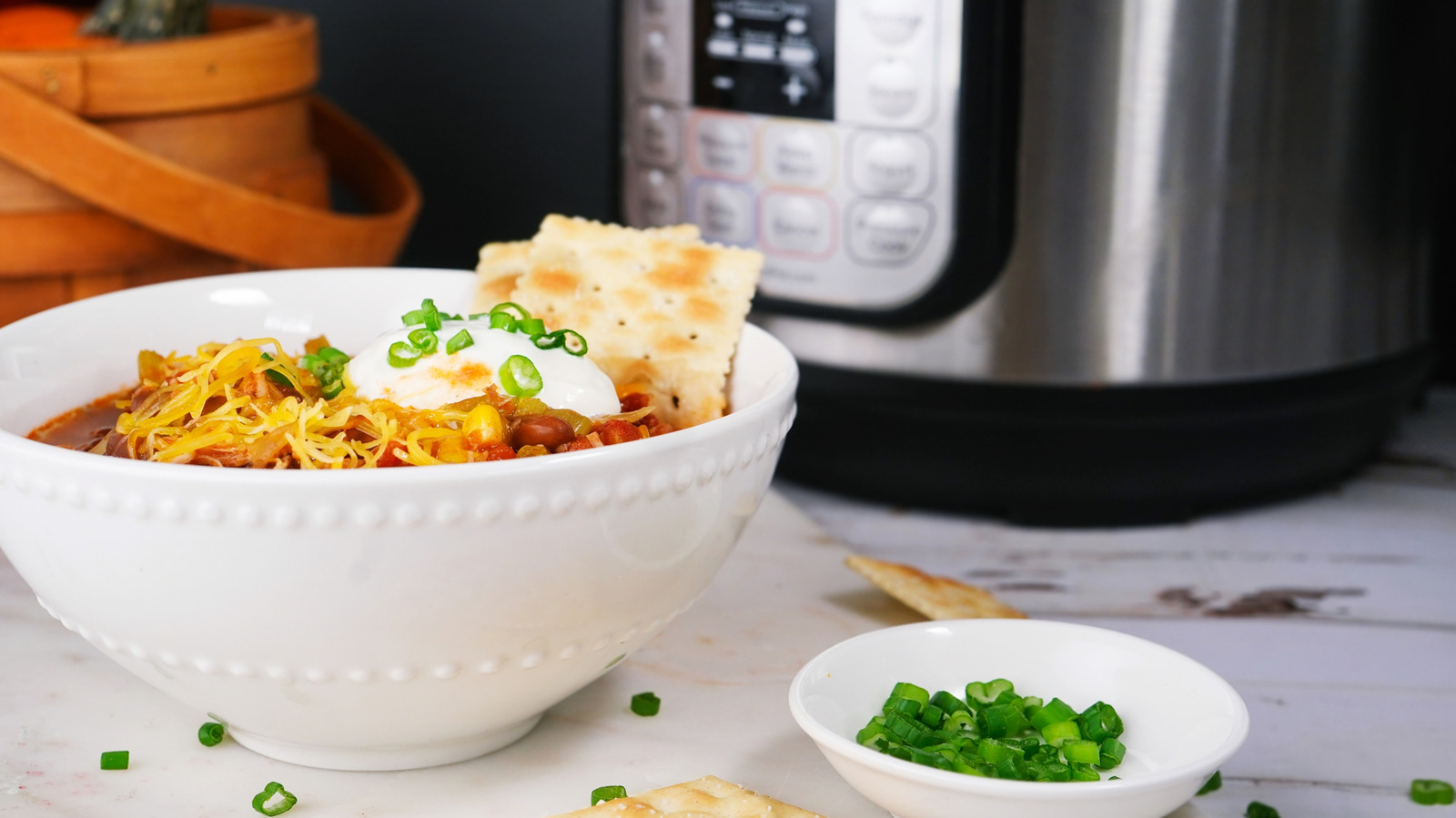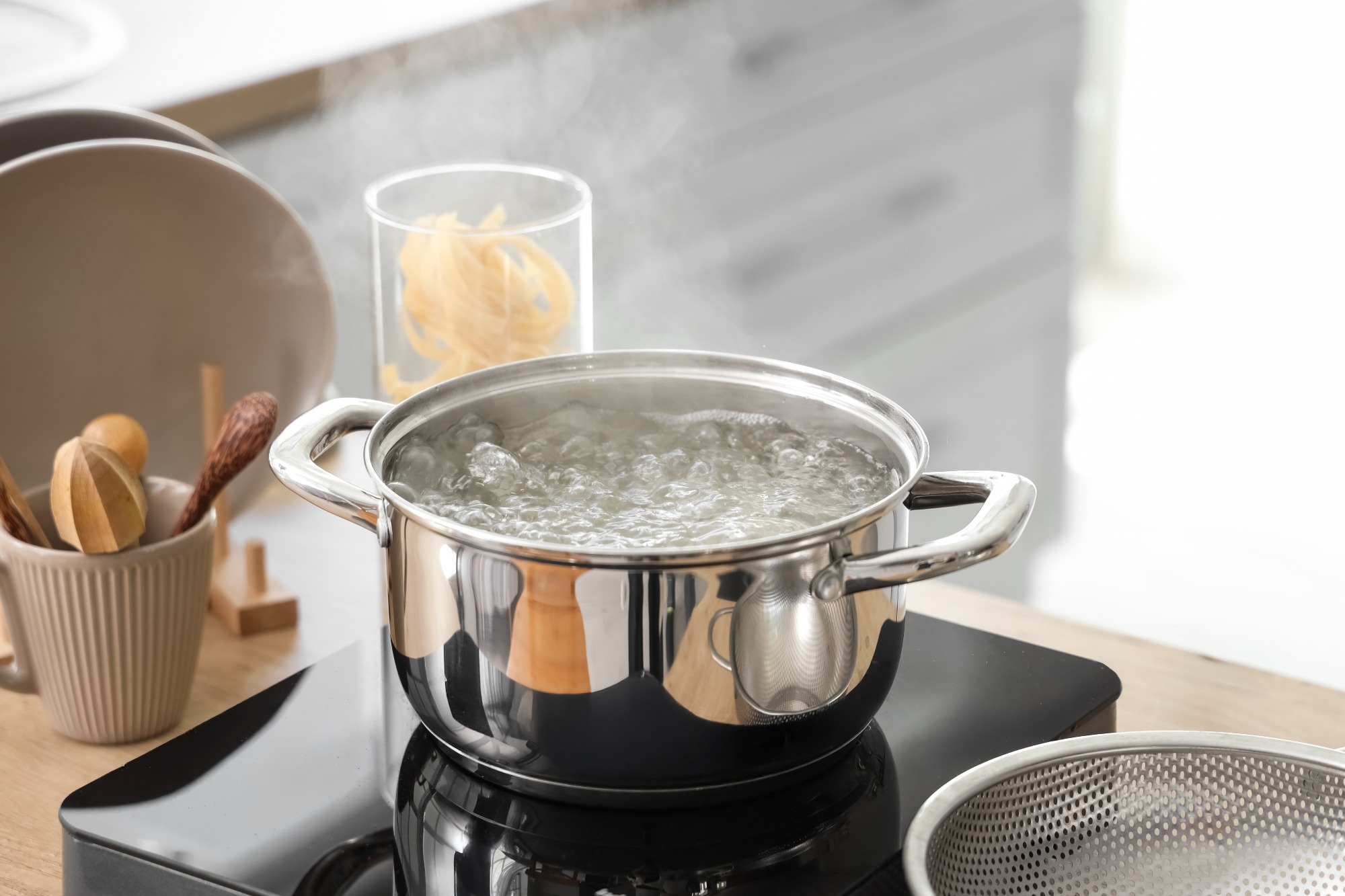
Pressure cooking may retain more nutrients than boiling due to shorter cooking times and less exposure to water and oxidation, but its effectiveness varies depending on the type of food and how stable its nutrients are during the process. Unlike boiling, which can leach out water-soluble vitamins, pressure cooking minimizes nutrient loss in many cases. However, whether the cooking liquid is retained or discarded can also influence the final nutrient content. The method’s advantages hinge on balancing heat exposure and food composition to maximize nutritional retention.
Pressure cooking often preserves more nutrients than boiling by reducing cooking time, water exposure, and oxidation, but outcomes depend on food type, nutrient stability, and whether cooking liquids ...