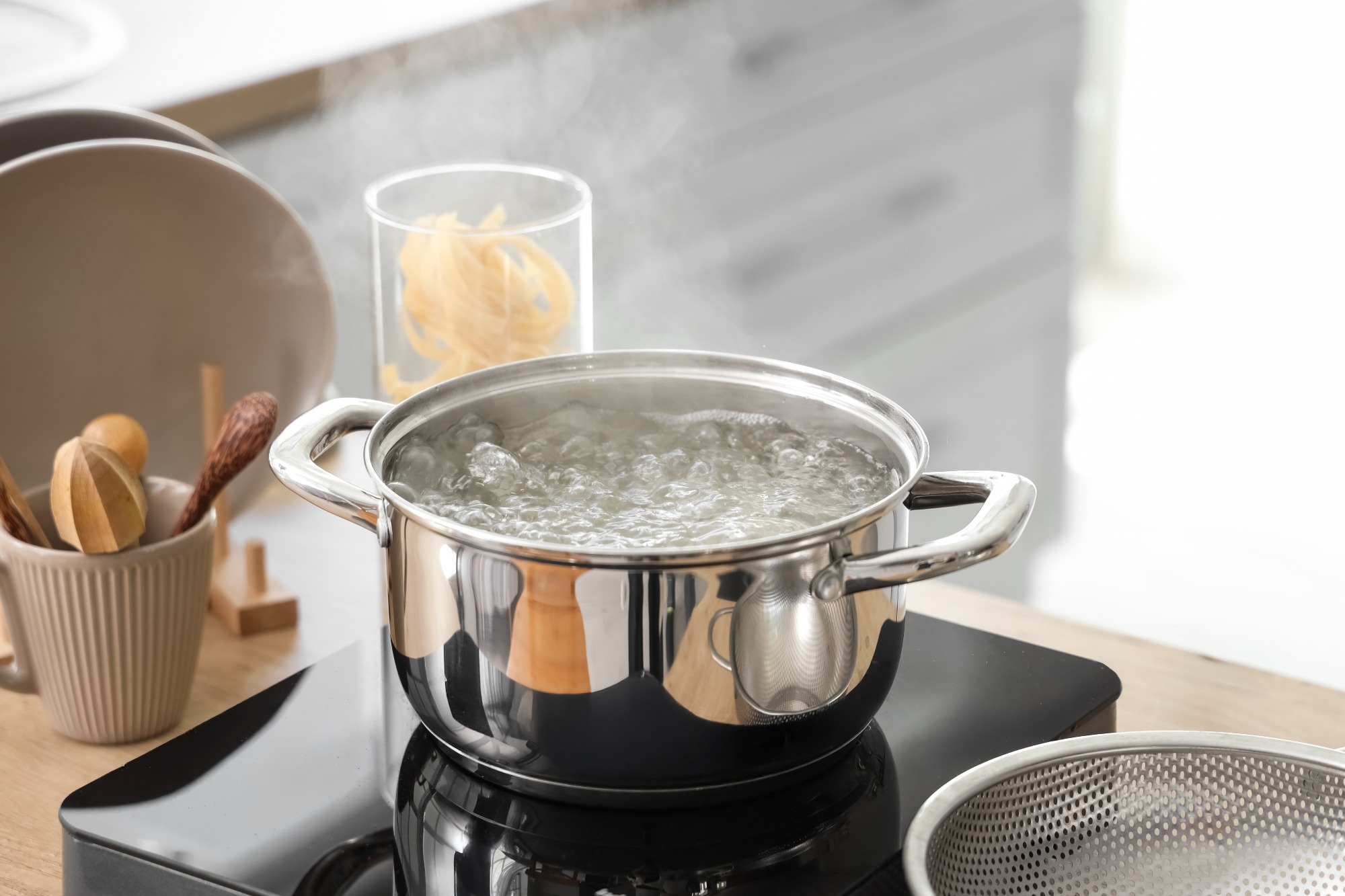
Pressure cooking may retain more nutrients than boiling due to shorter cooking times and limited water exposure, which helps minimize nutrient loss from oxidation. However, the effectiveness varies depending on the type of food and how stable its nutrients are during cooking. The retention of vitamins and minerals also hinges on whether the cooking liquid is discarded or reused, as some nutrients dissolve into the water. For those focused on nutrition, the method could offer an advantage—but results are not universal across all ingredients.
Pressure cooking often preserves more nutrients than boiling by reducing cooking time, water exposure, and oxidation, but outcomes depend on food type, nutrient stability, and whether cooking liquids ...