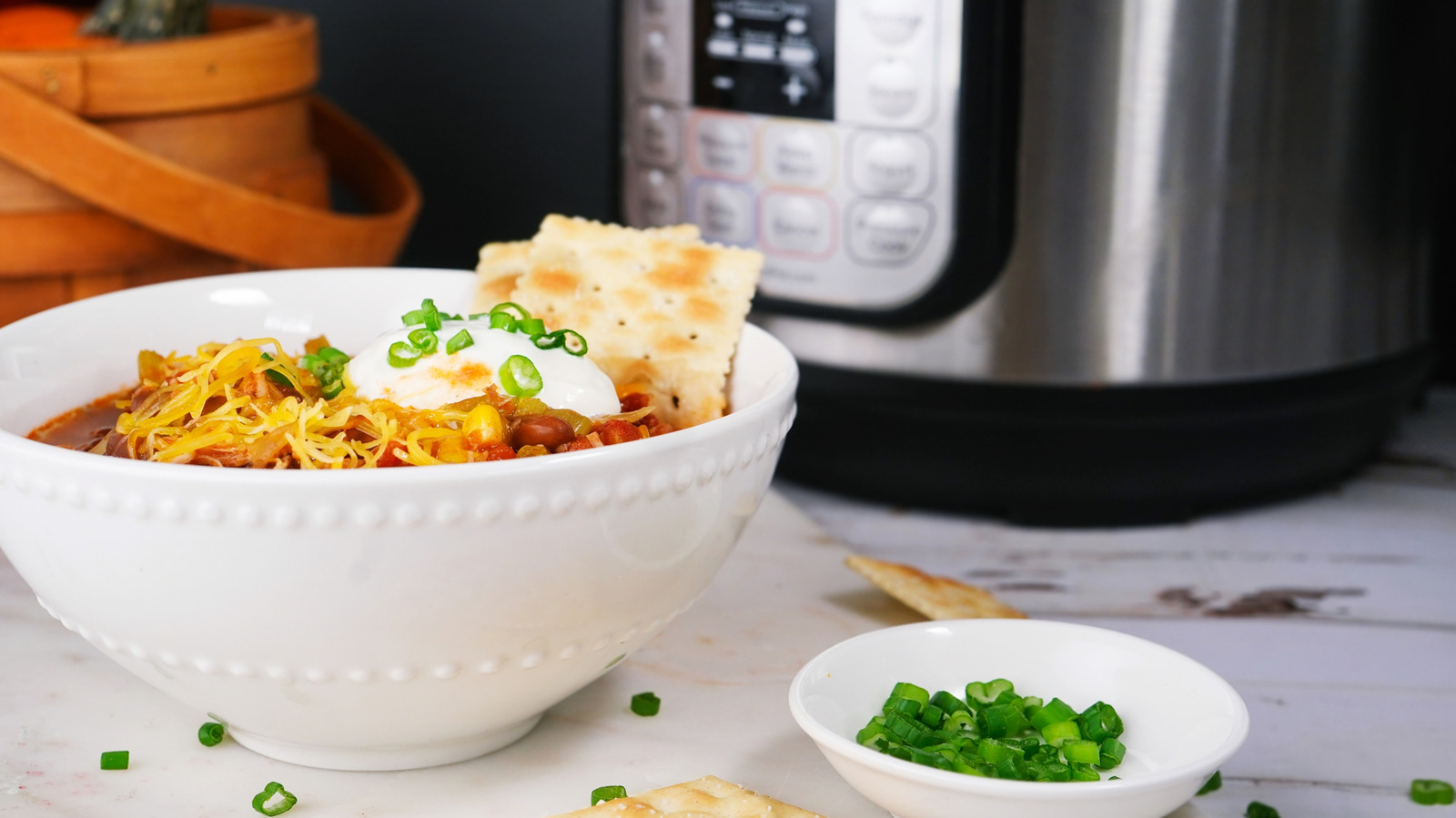
High-tech, hands-off kitchen gadgets have struggled to gain traction in the U.S., despite their popularity abroad. Devices designed to automate cooking tasks—such as the widely adopted Thermomix in Europe—have faced limited success domestically, leaving many consumers skeptical of fully autonomous kitchen technology. The gap highlights differing consumer preferences and market readiness for smart appliances that promise convenience but often fall short of expectations. For those curious about why these innovations haven’t caught on, the reasons may surprise.
Overly autonomous cooking tools and kitchen appliances have largely whiffed in the US market. While culinary robots like the Thermomix have made inroads in Europe and elsewhere, adoption in the US has ...