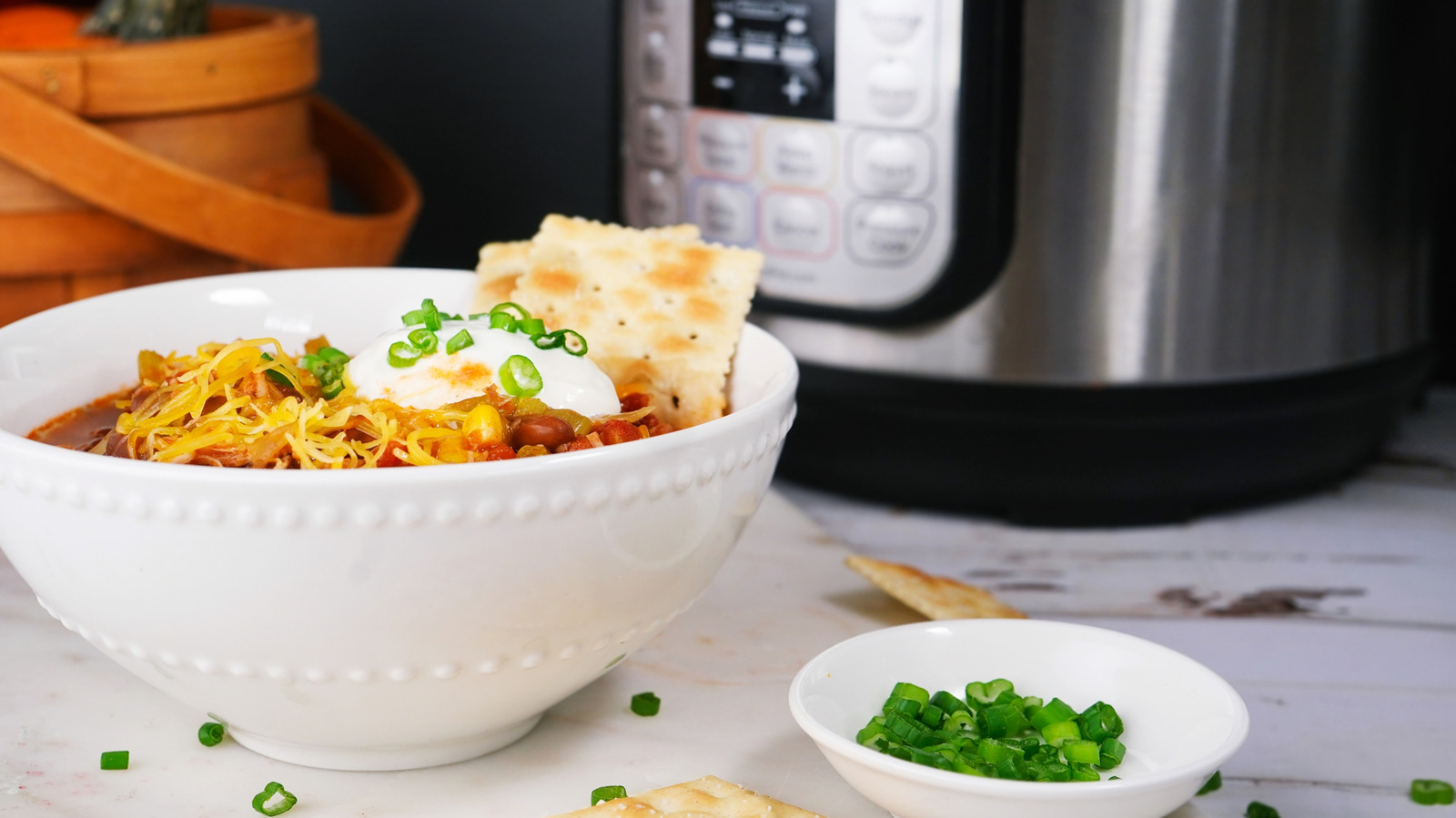
High-tech, hands-off kitchen gadgets that promise to revolutionize cooking have struggled to gain traction in the U.S., despite their popularity abroad. Devices designed to automate tasks like chopping, blending, and precise temperature control have failed to resonate with American consumers, leaving a gap between their European success and domestic expectations. The limited adoption raises questions about whether American cooks prefer traditional methods or if cultural differences in kitchen habits are holding back innovation. For those curious about the barriers behind these underperforming appliances, the full report examines why the U.S. market remains resistant to fully autonomous cooking solutions.
Overly autonomous cooking tools and kitchen appliances have largely whiffed in the US market. While culinary robots like the Thermomix have made inroads in Europe and elsewhere, adoption in the US has ...