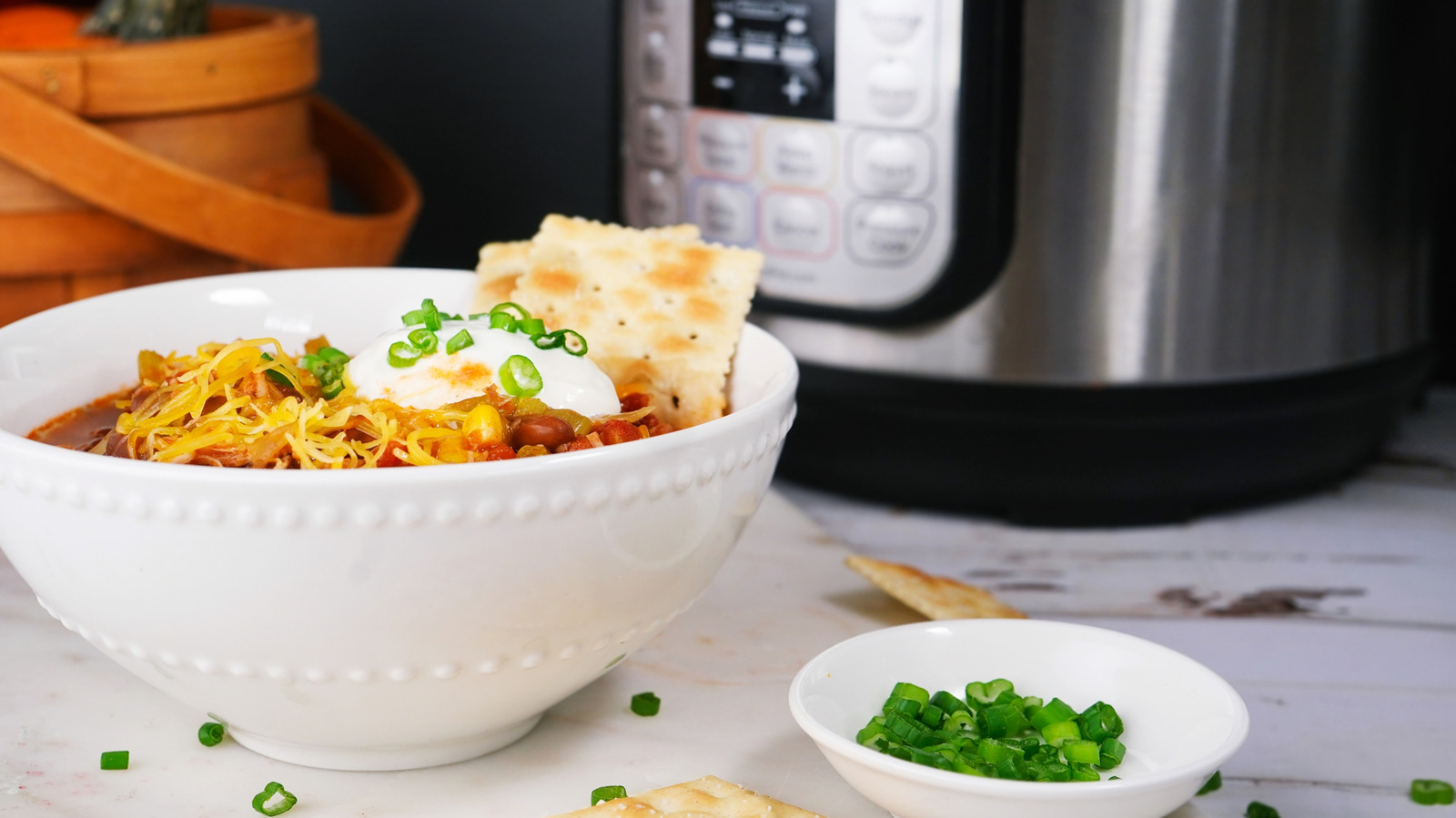
High-tech kitchen gadgets promising hands-off cooking have struggled to gain traction in the U.S., despite their popularity in Europe and other regions. Unlike overseas markets where automated appliances like the Thermomix have found success, American consumers have shown limited interest in fully autonomous kitchen tools. The disparity highlights a gap between global demand and domestic adoption for smart cooking technology. Experts suggest cultural preferences and skepticism about convenience-driven kitchen innovations may be key factors behind the slow uptake.
Overly autonomous cooking tools and kitchen appliances have largely whiffed in the US market. While culinary robots like the Thermomix have made inroads in Europe and elsewhere, adoption in the US has ...