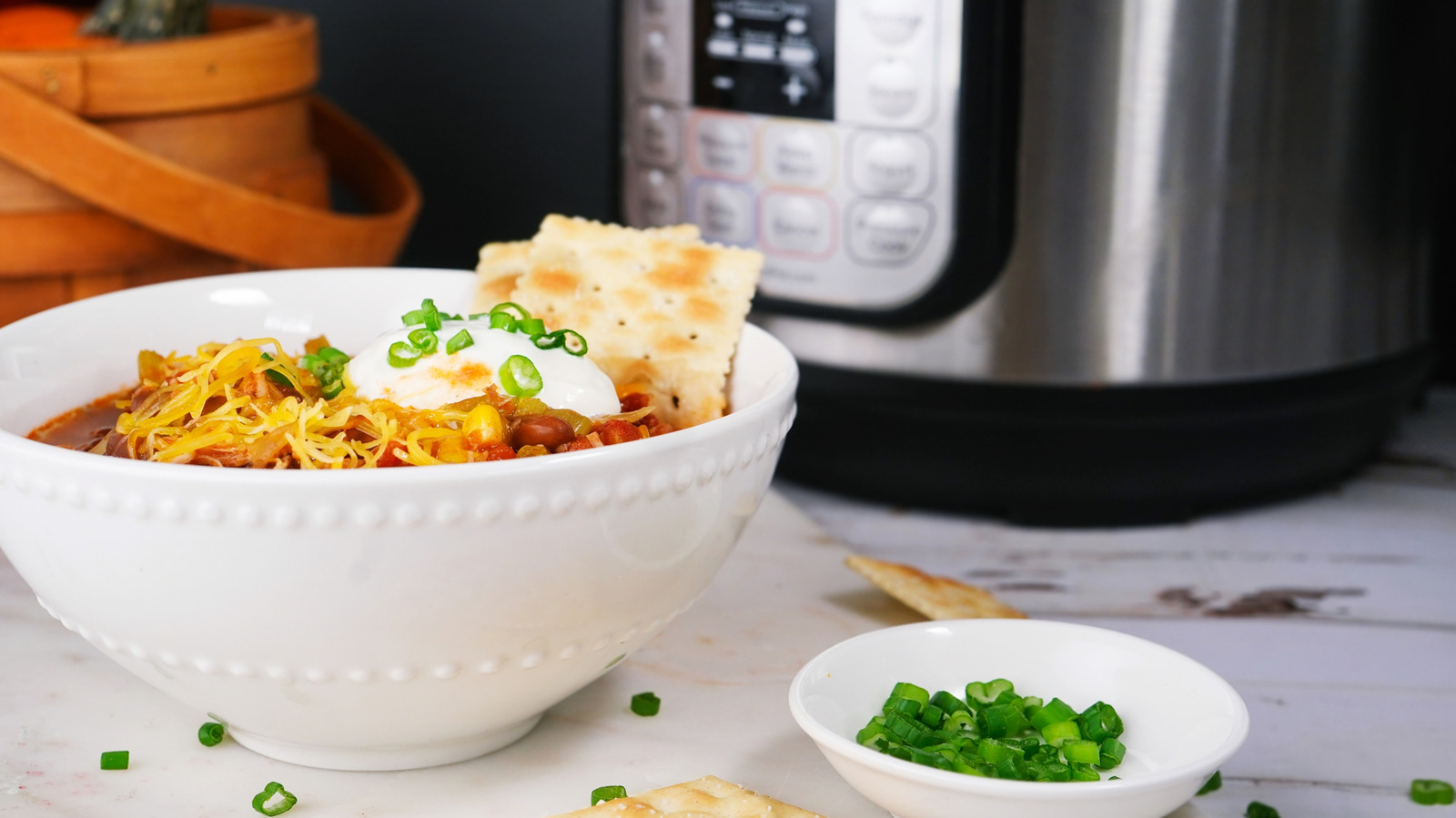
High-tech kitchen gadgets promising hands-off cooking have struggled to gain traction in the U.S., despite their popularity abroad. Devices like the Thermomix, which automate chopping, blending, and precise temperature control, have found success in Europe and other regions but failed to resonate with American consumers. Industry analysts point to cultural differences in cooking habits and skepticism about fully autonomous kitchen tools as key barriers. The gap highlights how even innovative appliances must overcome practical and psychological hurdles to succeed in the domestic market.
Overly autonomous cooking tools and kitchen appliances have largely whiffed in the US market. While culinary robots like the Thermomix have made inroads in Europe and elsewhere, adoption in the US has ...