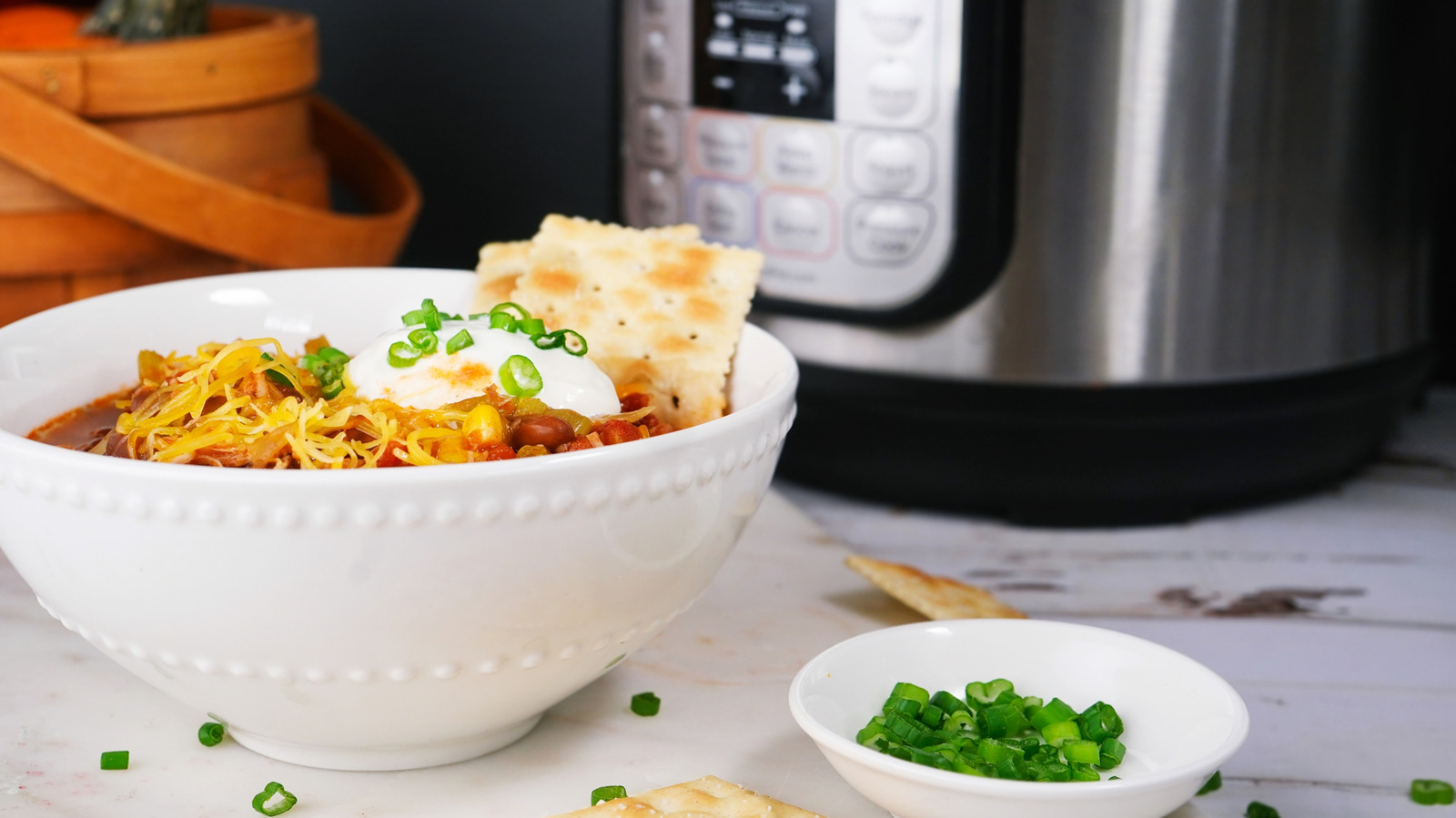
High-tech, hands-off kitchen gadgets designed to automate cooking have struggled to gain traction in the U.S. despite their popularity in Europe and other regions. Devices like robotic food processors and smart appliances have failed to meet consumer expectations or overcome practical barriers, leaving many American households skeptical of fully autonomous culinary tools. The gap between marketing promises and real-world performance may be a key factor behind their limited success. For those curious about why these innovations haven’t taken off, the reasons could reshape the future of home cooking technology.
Overly autonomous cooking tools and kitchen appliances have largely whiffed in the US market. While culinary robots like the Thermomix have made inroads in Europe and elsewhere, adoption in the US has ...