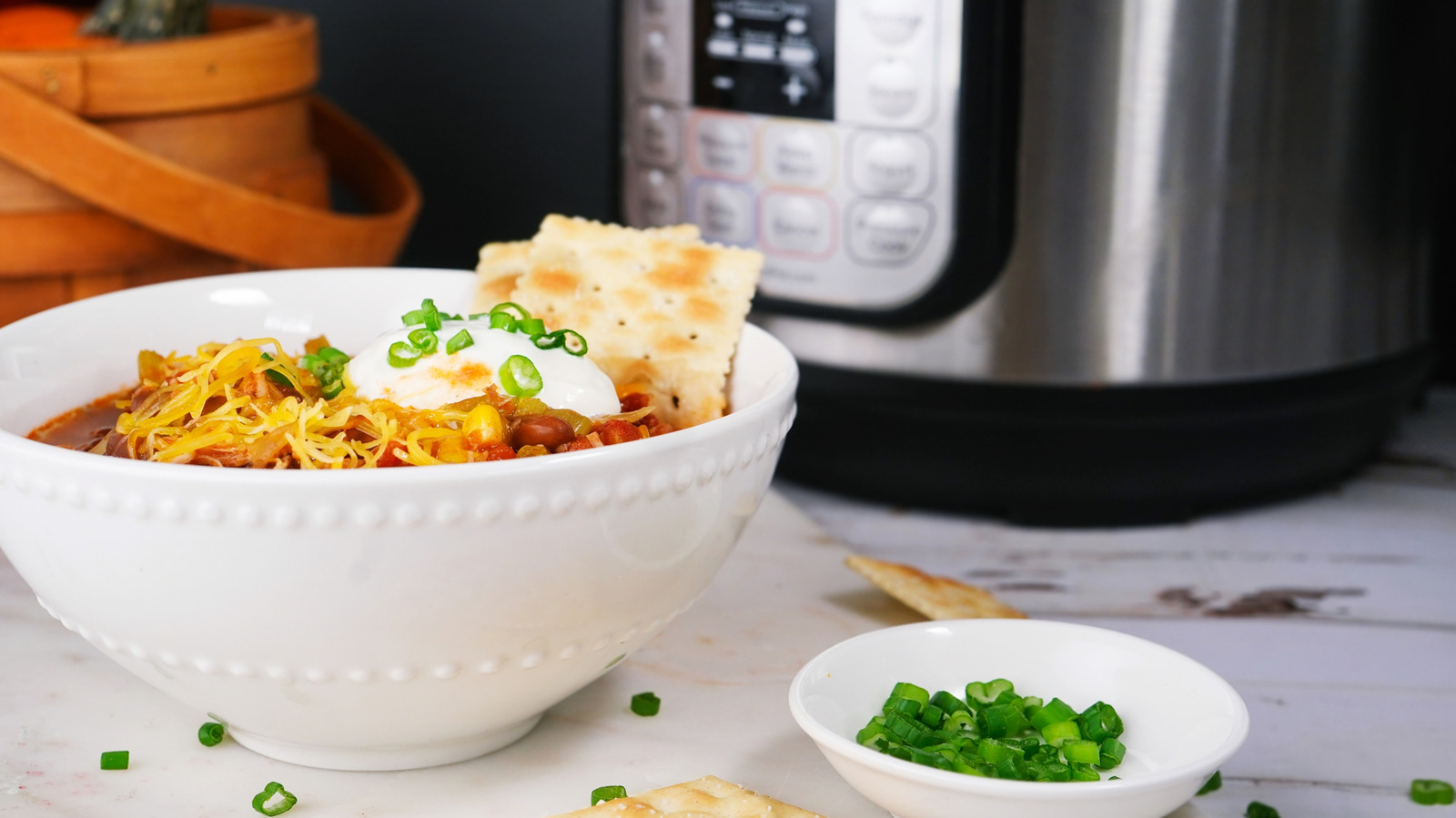
High-tech kitchen gadgets promising hands-off cooking have struggled to gain traction in the U.S., despite strong popularity in Europe and other regions. Devices like the Thermomix, which automate mixing, chopping, and cooking, have faced limited consumer uptake domestically, raising questions about why American households remain hesitant to embrace fully autonomous kitchen technology. Industry observers point to cultural preferences, skepticism about convenience, and a preference for traditional cooking methods as key factors behind the slow adoption. The gap between global success and U.S. resistance highlights a broader trend in how different markets respond to smart kitchen innovations.
Overly autonomous cooking tools and kitchen appliances have largely whiffed in the US market. While culinary robots like the Thermomix have made inroads in Europe and elsewhere, adoption in the US has ...