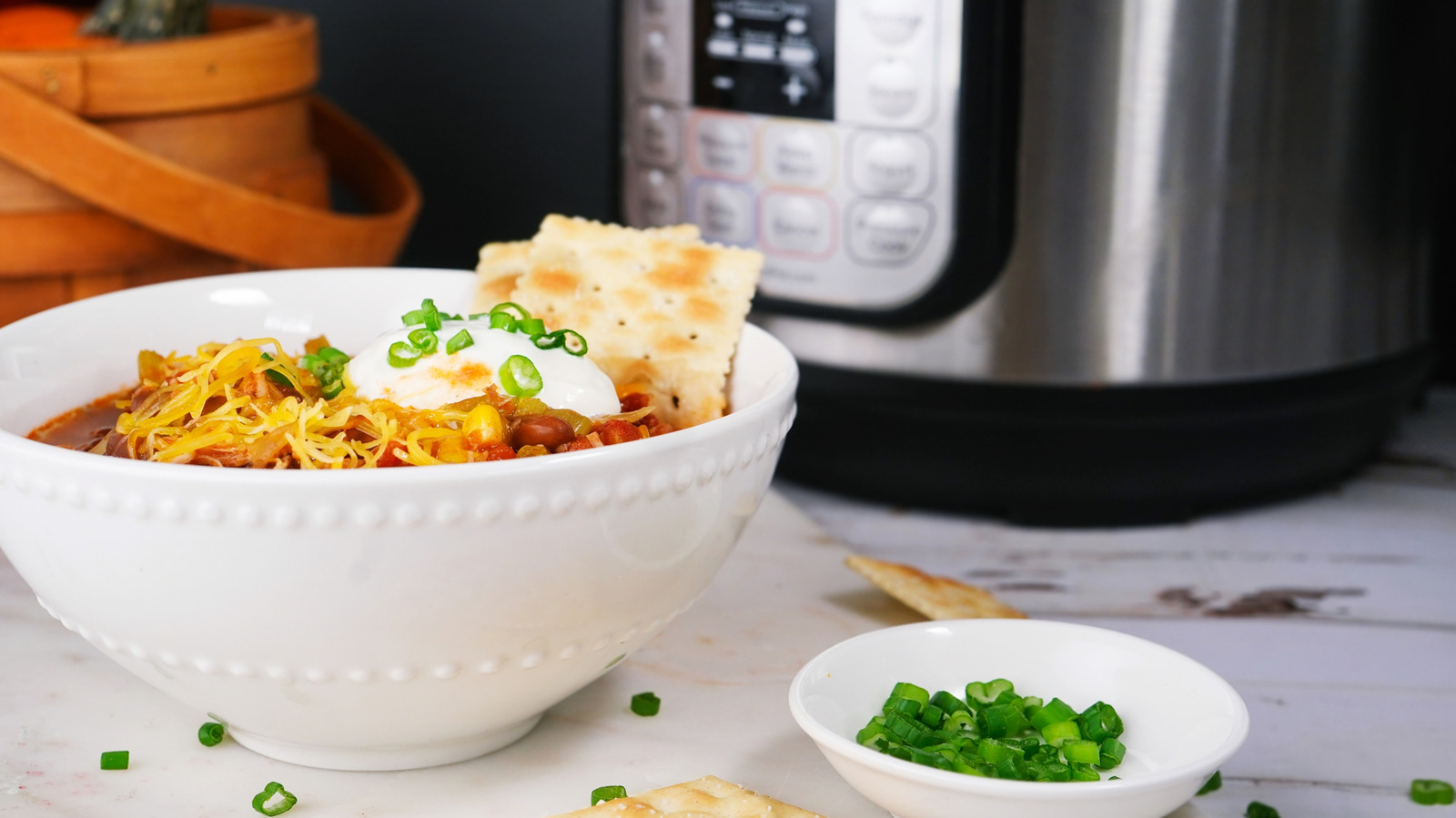
High-tech, hands-off kitchen gadgets designed to automate cooking tasks have struggled to gain traction in the U.S., despite their popularity in other regions. Devices like robotic food processors and smart appliances that promise to simplify meal preparation have failed to resonate with American consumers, leaving a gap between overseas demand and domestic interest. The contrast highlights how culinary innovation—once embraced abroad—has yet to fully transform everyday U.S. kitchens. Experts question whether cultural preferences or practical barriers are holding back the market’s potential.
Overly autonomous cooking tools and kitchen appliances have largely whiffed in the US market. While culinary robots like the Thermomix have made inroads in Europe and elsewhere, adoption in the US has ...