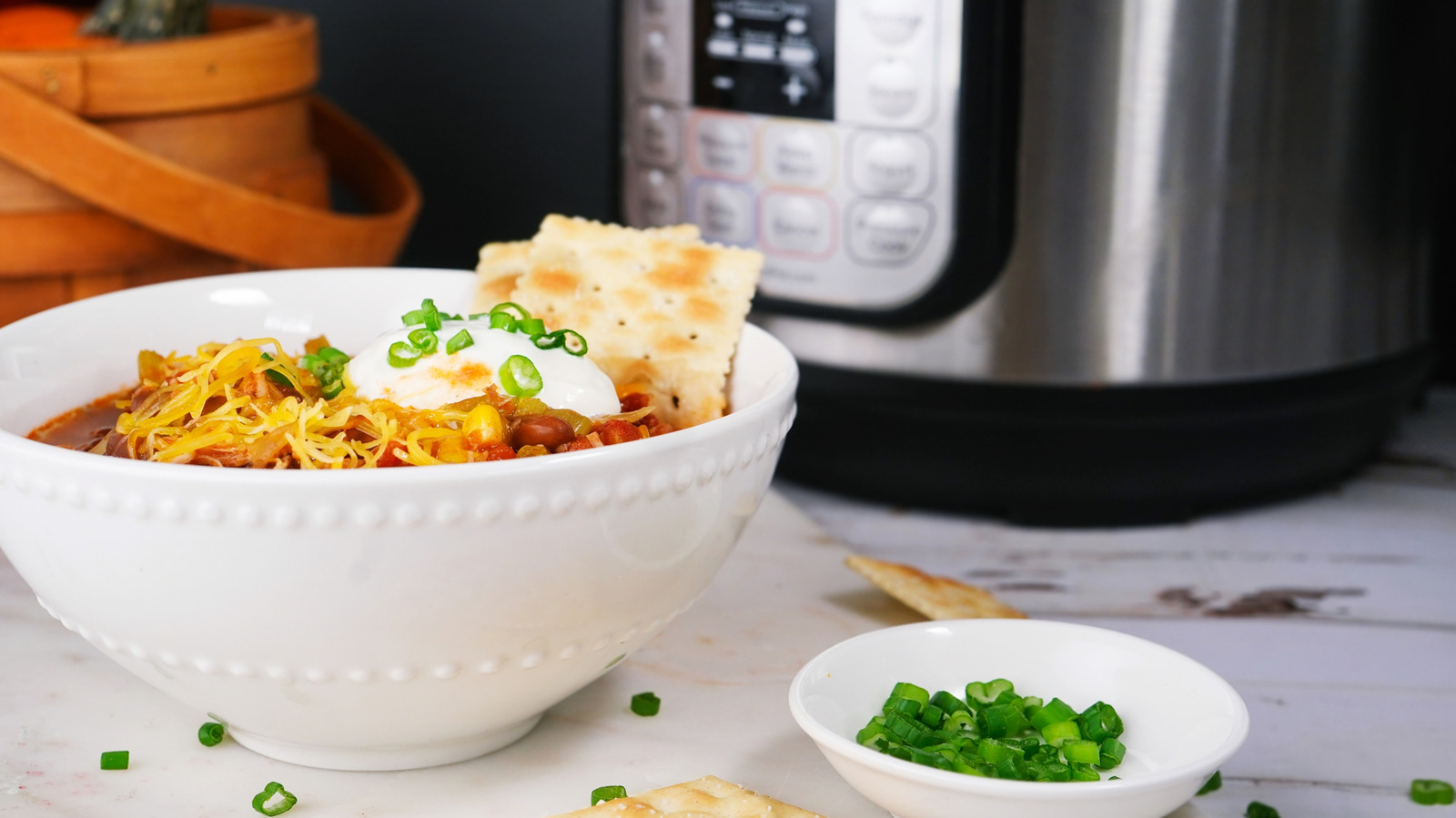
High-tech, hands-off kitchen gadgets designed to automate cooking tasks have struggled to gain traction in the American market despite their popularity overseas. Devices like the Thermomix, which combine multiple functions into a single appliance, have found success in Europe and other regions but have faced limited uptake domestically. Industry analysts point to cultural differences in cooking habits and skepticism toward fully autonomous kitchen tools as key barriers to wider adoption. The slow acceptance raises questions about whether US consumers are ready to embrace fully automated cooking solutions—or if they prefer more traditional, hands-on approaches.
Overly autonomous cooking tools and kitchen appliances have largely whiffed in the US market. While culinary robots like the Thermomix have made inroads in Europe and elsewhere, adoption in the US has ...