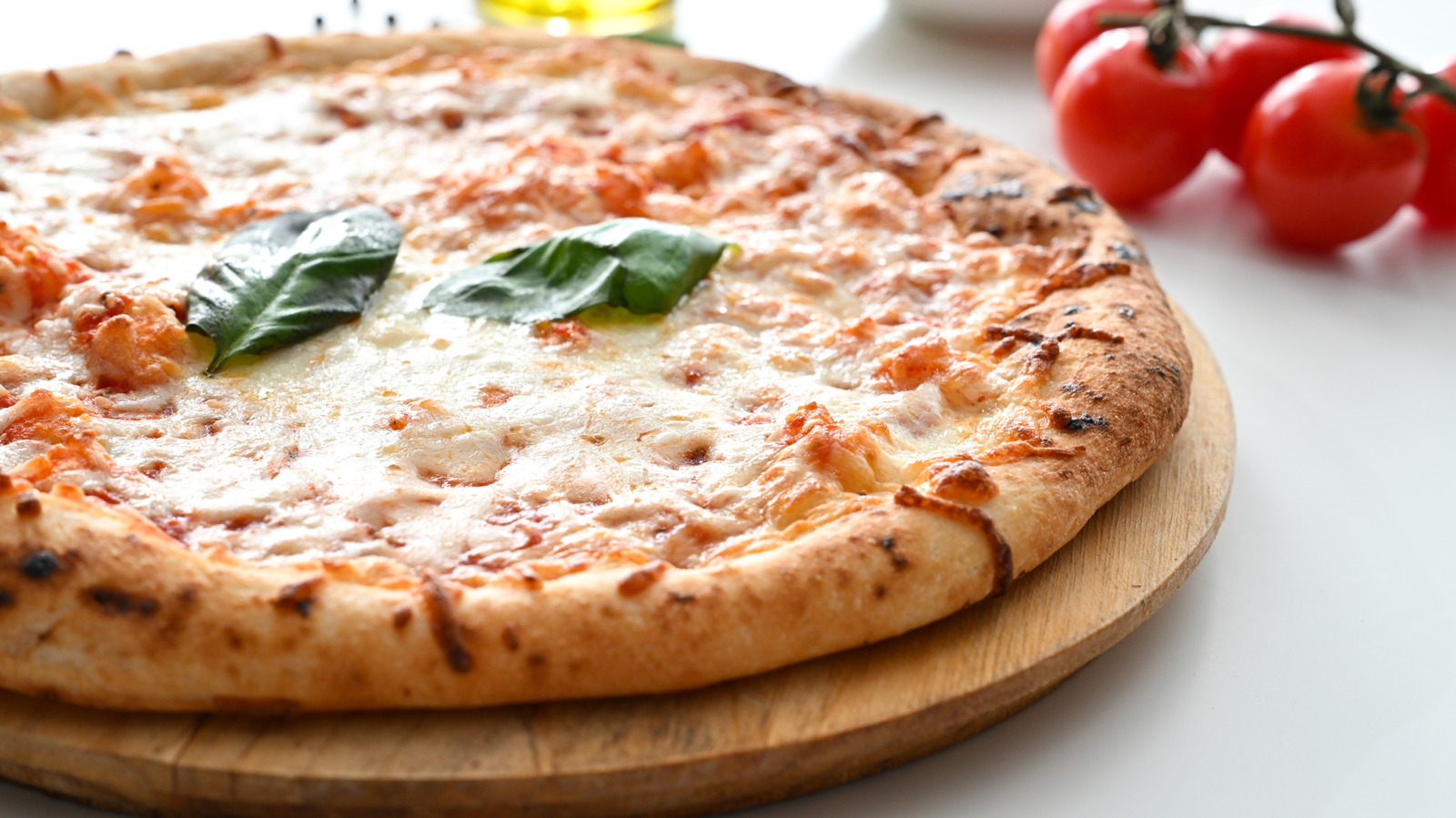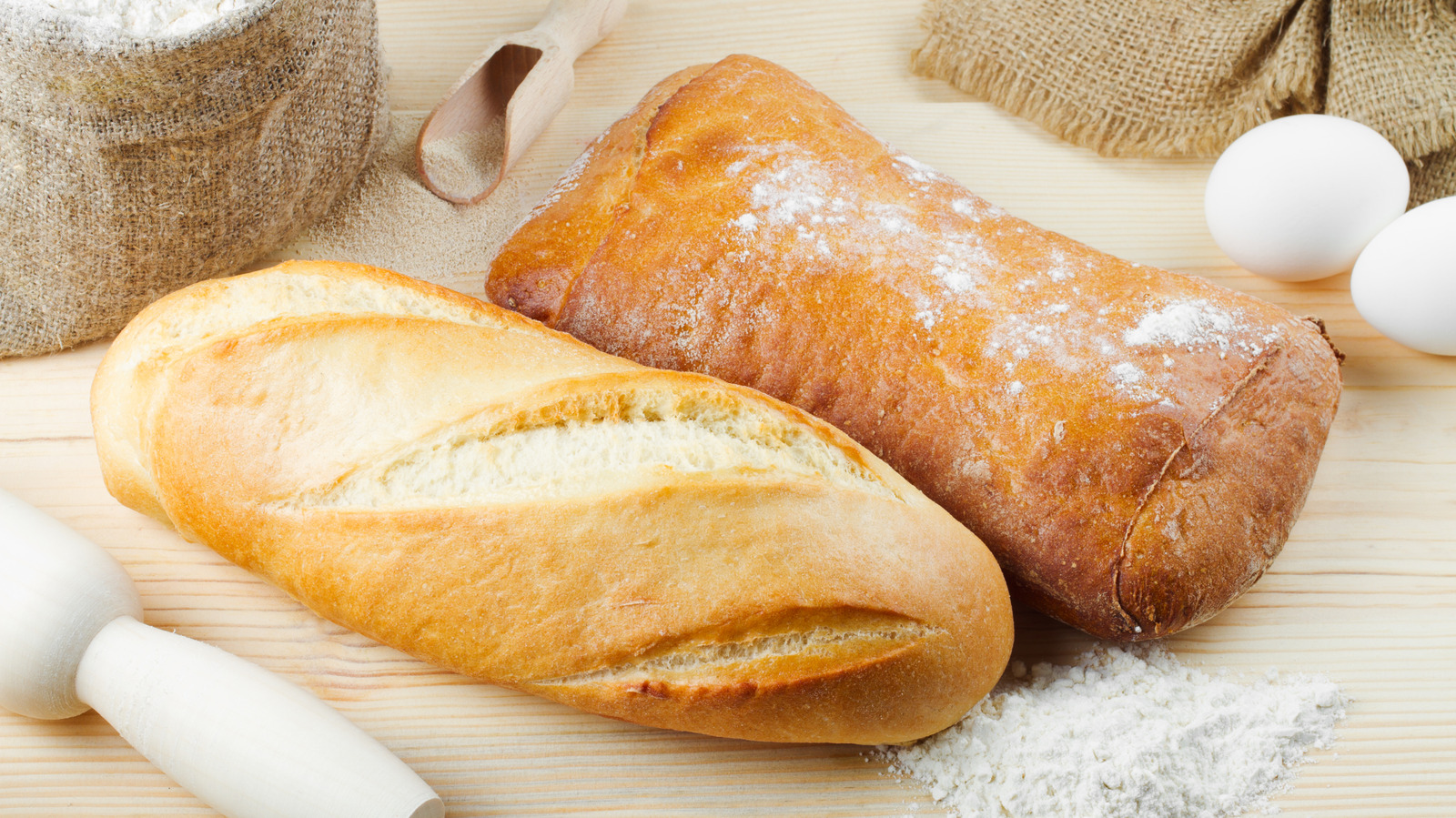
French and Italian breads share a familiar appearance in American bakeries, but their distinct origins and baking traditions set them apart in texture, shape, and even cultural significance. While both may resemble long, crusty loaves to the casual observer, French bread typically features a thinner, crispier crust and a lighter, airier crumb, often baked in a tall, oval form. Italian breads, by contrast, tend to vary more widely—from rustic, chewy pane casareccio to softer, olive oil-enriched varieties—reflecting regional diversity and a focus on heartier, flavorful ingredients. Understanding these differences can deepen appreciation for the craftsmanship behind each, beyond their superficial similarities.
French bread and Italian bread might look similar in the U.S., but there are key differences in texture, shape, and origin worth knowing about.