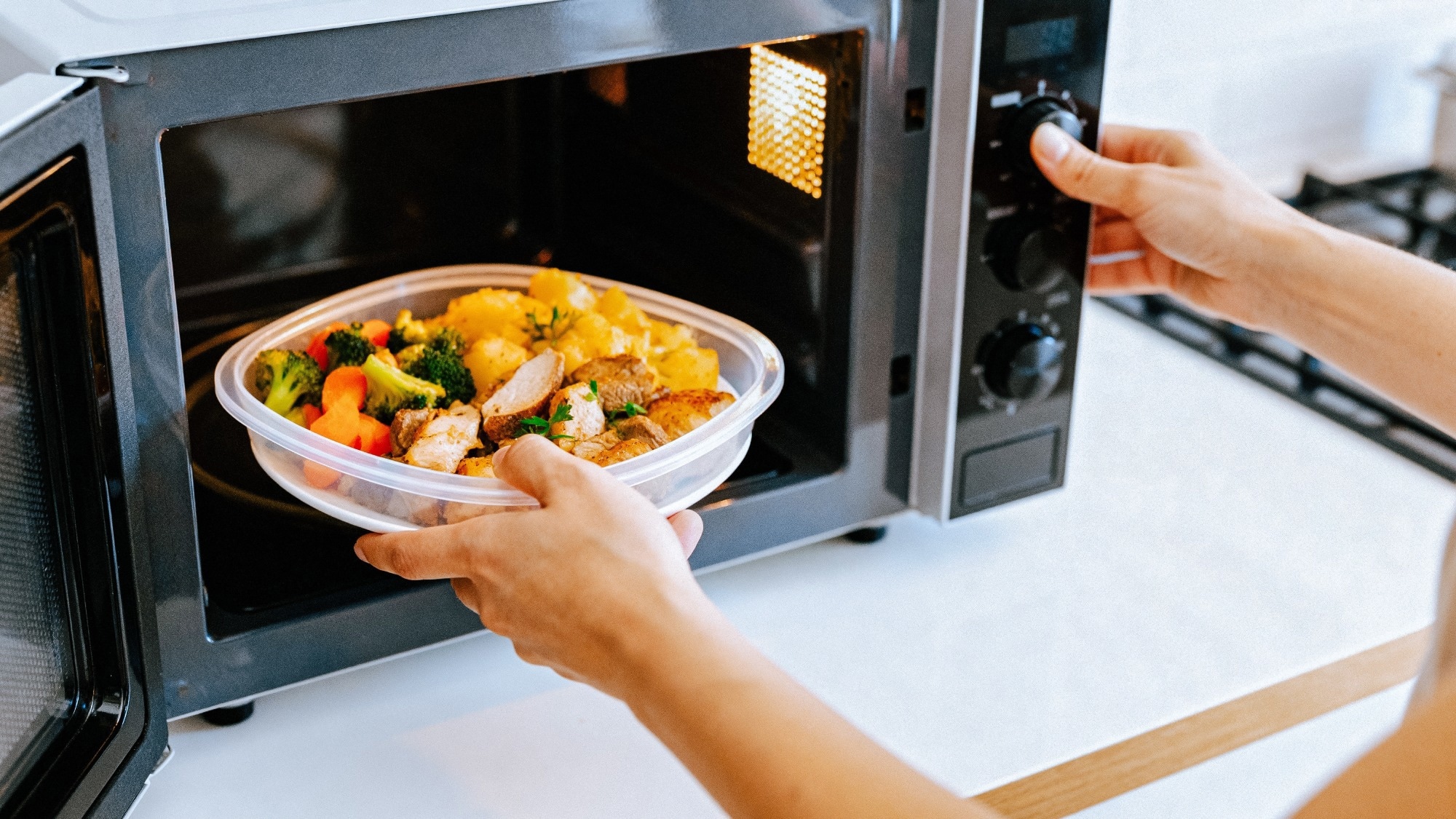
Microwave cooking is frequently misunderstood as a nutrient destroyer, but research suggests it doesn’t uniquely degrade vitamins and minerals. Instead, heat exposure, water use, and cooking duration play the biggest roles in nutrient loss, with microwaving often outperforming boiling in retaining certain vitamins. The method’s efficiency in minimizing prolonged heat and liquid contact may explain its reputation for better preservation. For those weighing cooking techniques, the findings could reshape common assumptions about how food is prepared.
Microwave cooking does not uniquely destroy nutrients; most nutrient loss is driven by heat, water, and cooking time rather than the method itself. It often preserves vitamins better than boiling, ...