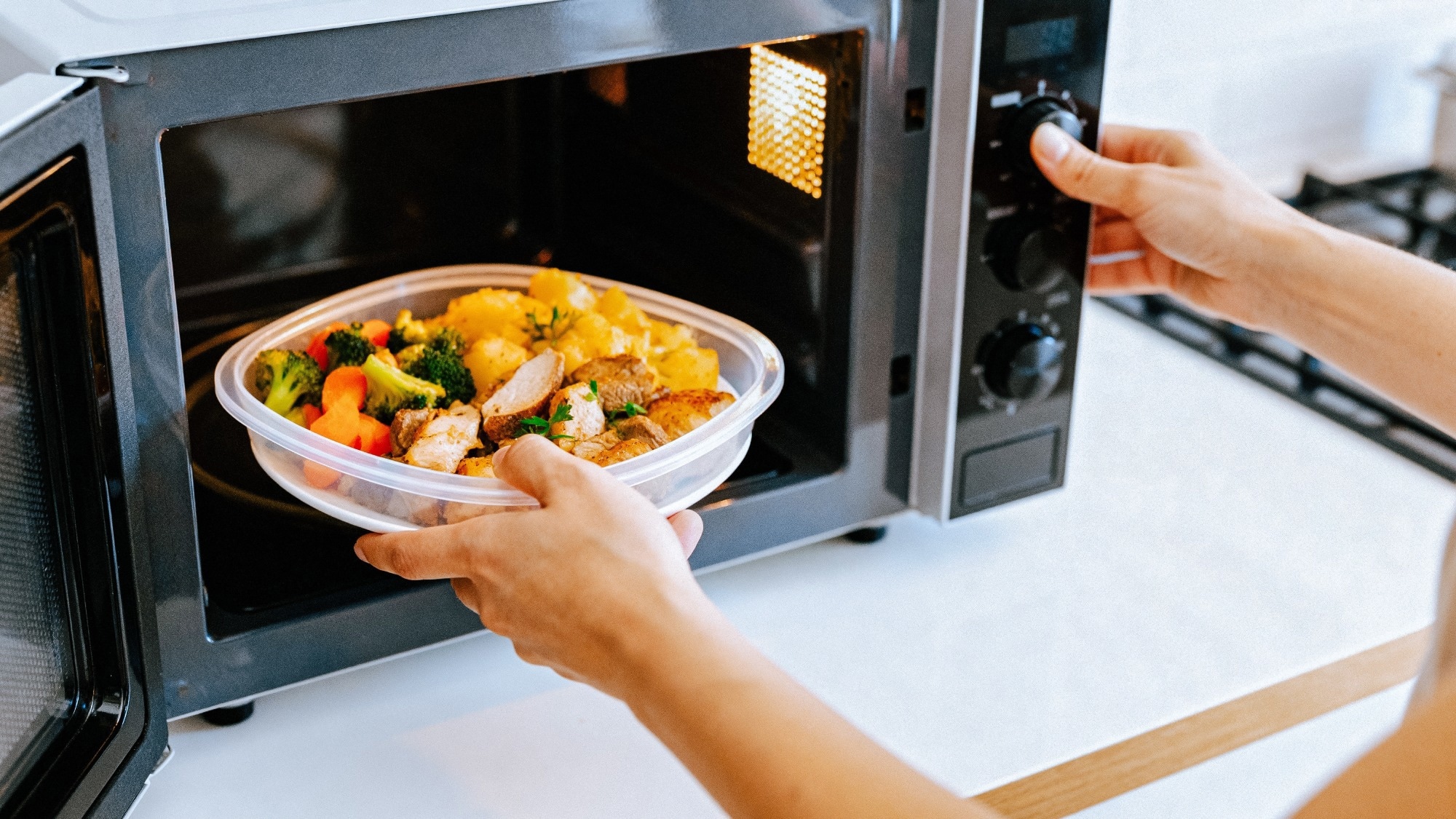
Microwave cooking isn’t uniquely harmful to nutrients; the primary factors affecting nutrient loss are heat, water exposure, and cooking duration rather than the cooking method itself. Because microwaving typically uses less water and shorter cooking times, it can retain vitamins better than boiling. The article explains how the physics of microwave heating works and compares nutrient retention across common cooking techniques. Readers will learn why microwaving may be a more nutrient‑preserving option for many foods.
Microwave cooking does not uniquely destroy nutrients; most nutrient loss is driven by heat, water, and cooking time rather than the method itself. It often preserves vitamins better than boiling, ...