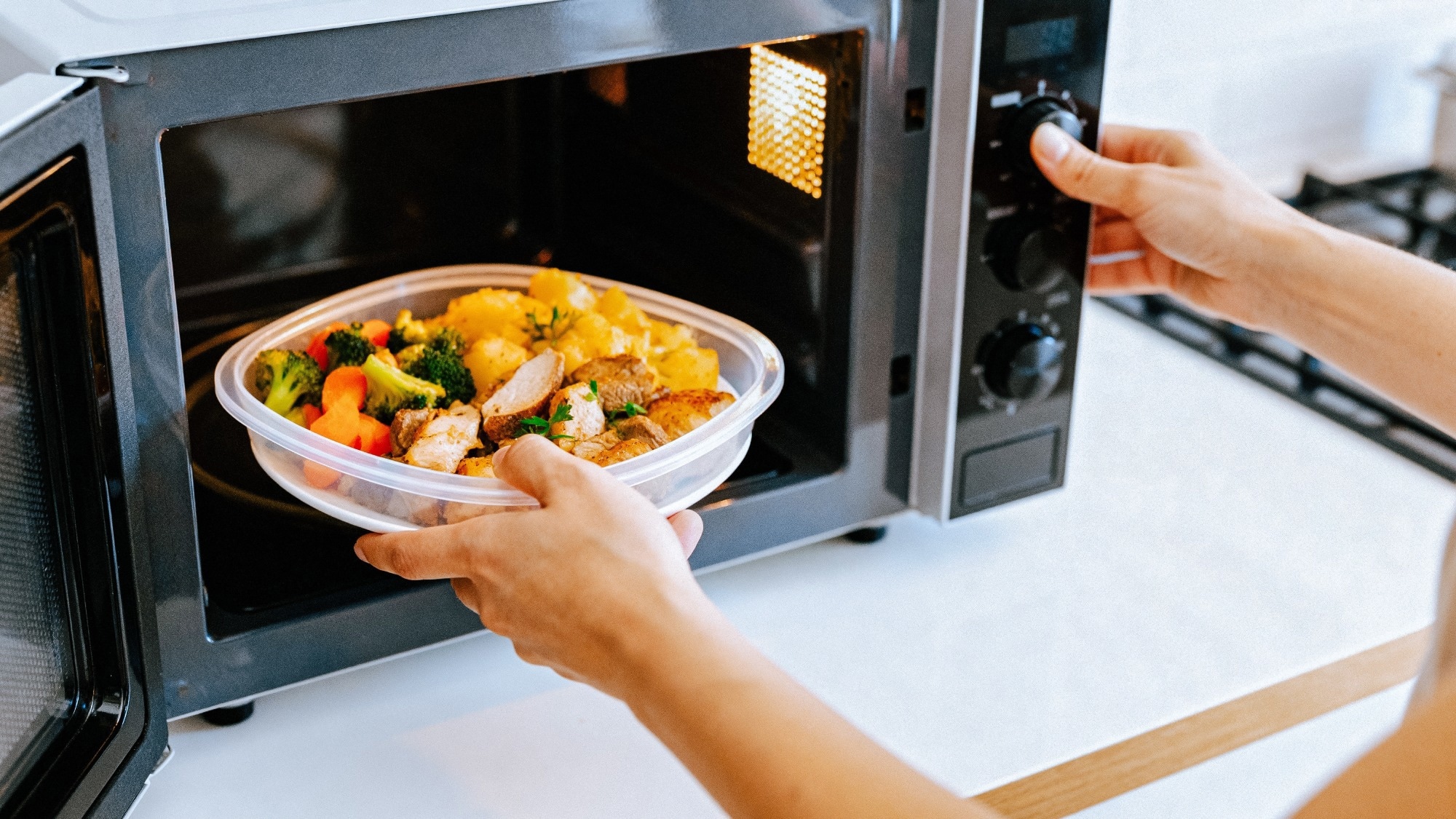
Microwave cooking does not uniquely destroy nutrients; most nutrient loss is driven by heat, water, and cooking time rather than the method itself. It often preserves vitamins better than boiling, and the short cooking times can help keep foods crisp and flavorful. The article explains how the key factors that affect nutrient retention are the temperature reached, the amount of water used, and how long the food is cooked. It also highlights that choosing the right cooking method can make a noticeable difference in the nutritional quality of meals.
Microwave cooking does not uniquely destroy nutrients; most nutrient loss is driven by heat, water, and cooking time rather than the method itself. It often preserves vitamins better than boiling, ...