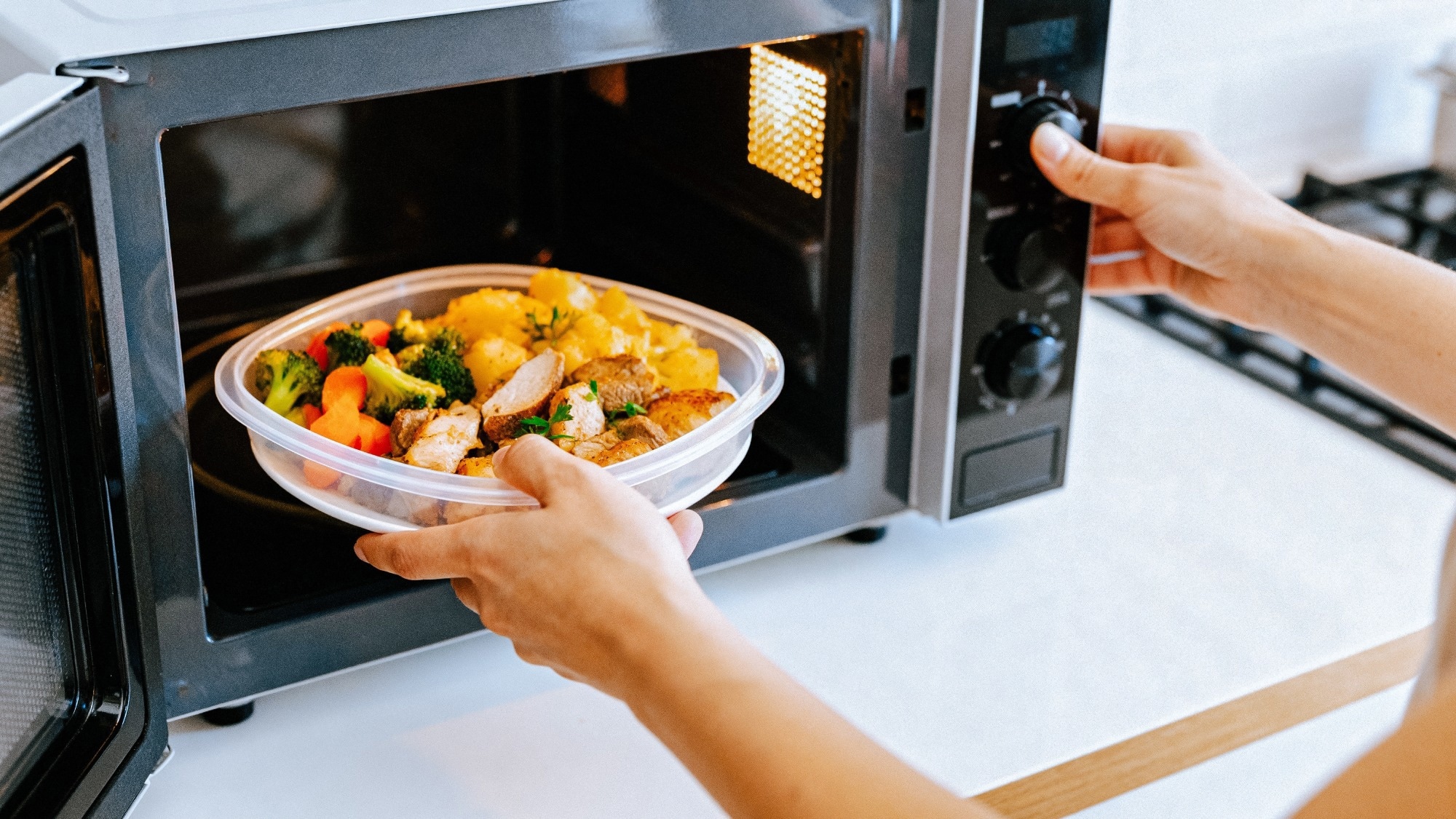
Microwave cooking has been found to preserve more nutrients than boiling, as nutrient loss in food is primarily influenced by heat exposure, water use, and cooking duration rather than the specific method. Studies suggest that microwaving can minimize vitamin degradation compared to prolonged boiling, which often leaches water-soluble nutrients into cooking water. The efficiency of microwave cooking in retaining nutrients makes it a preferable choice for those seeking to maximize nutritional value in prepared meals. This challenges the common assumption that microwaving inherently reduces food quality.
Microwave cooking does not uniquely destroy nutrients; most nutrient loss is driven by heat, water, and cooking time rather than the method itself. It often preserves vitamins better than boiling, ...