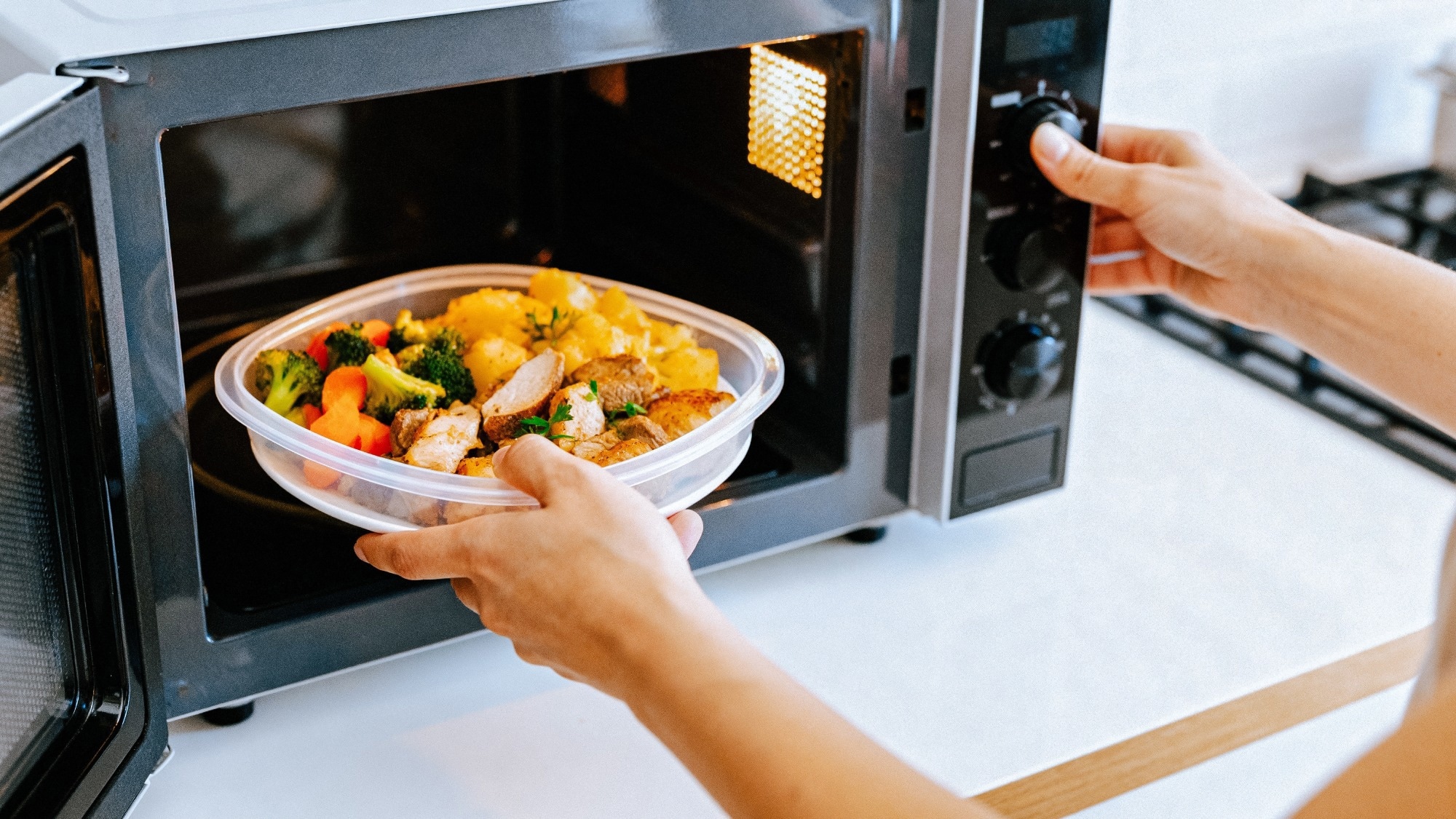
Microwave cooking is frequently criticized for allegedly destroying nutrients, but research suggests the method itself isn’t the primary culprit—heat, water exposure, and prolonged cooking times are the main factors behind nutrient loss. Studies indicate microwaving may actually help retain more vitamins than boiling, particularly for water-soluble compounds that leach out during longer cooking processes. The efficiency of microwave heating, which targets food directly and minimizes exposure to air and moisture, contributes to its nutrient-preserving advantages compared to traditional stovetop methods. For those prioritizing nutrition in meal preparation, the choice of cooking technique—and how it’s applied—matters more than the appliance used.
Microwave cooking does not uniquely destroy nutrients; most nutrient loss is driven by heat, water, and cooking time rather than the method itself. It often preserves vitamins better than boiling, ...