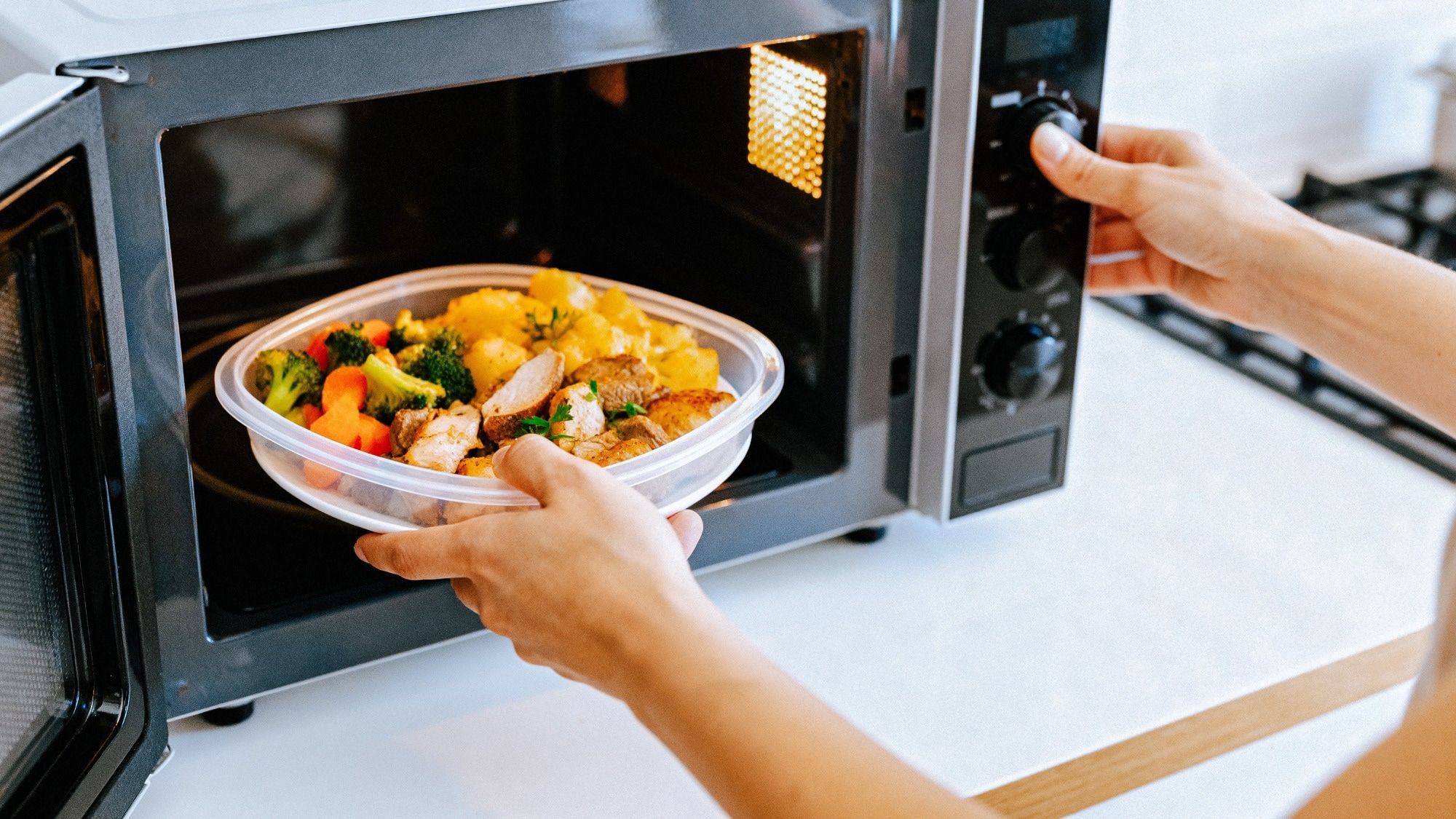
Microwave cooking has been unfairly criticized for allegedly destroying nutrients, but research shows it doesn’t cause unique nutrient loss—heat, water exposure, and cooking duration are the primary factors. Studies indicate microwaving may actually retain more vitamins than boiling, offering a more efficient alternative for preserving nutritional value in food. The method’s rapid heating minimizes prolonged exposure to high temperatures, which can degrade heat-sensitive vitamins like vitamin C and B vitamins. For those prioritizing nutrition in meal preparation, the choice of cooking technique could make a meaningful difference.
Microwave cooking does not uniquely destroy nutrients; most nutrient loss is driven by heat, water, and cooking time rather than the method itself. It often preserves vitamins better than boiling, ...