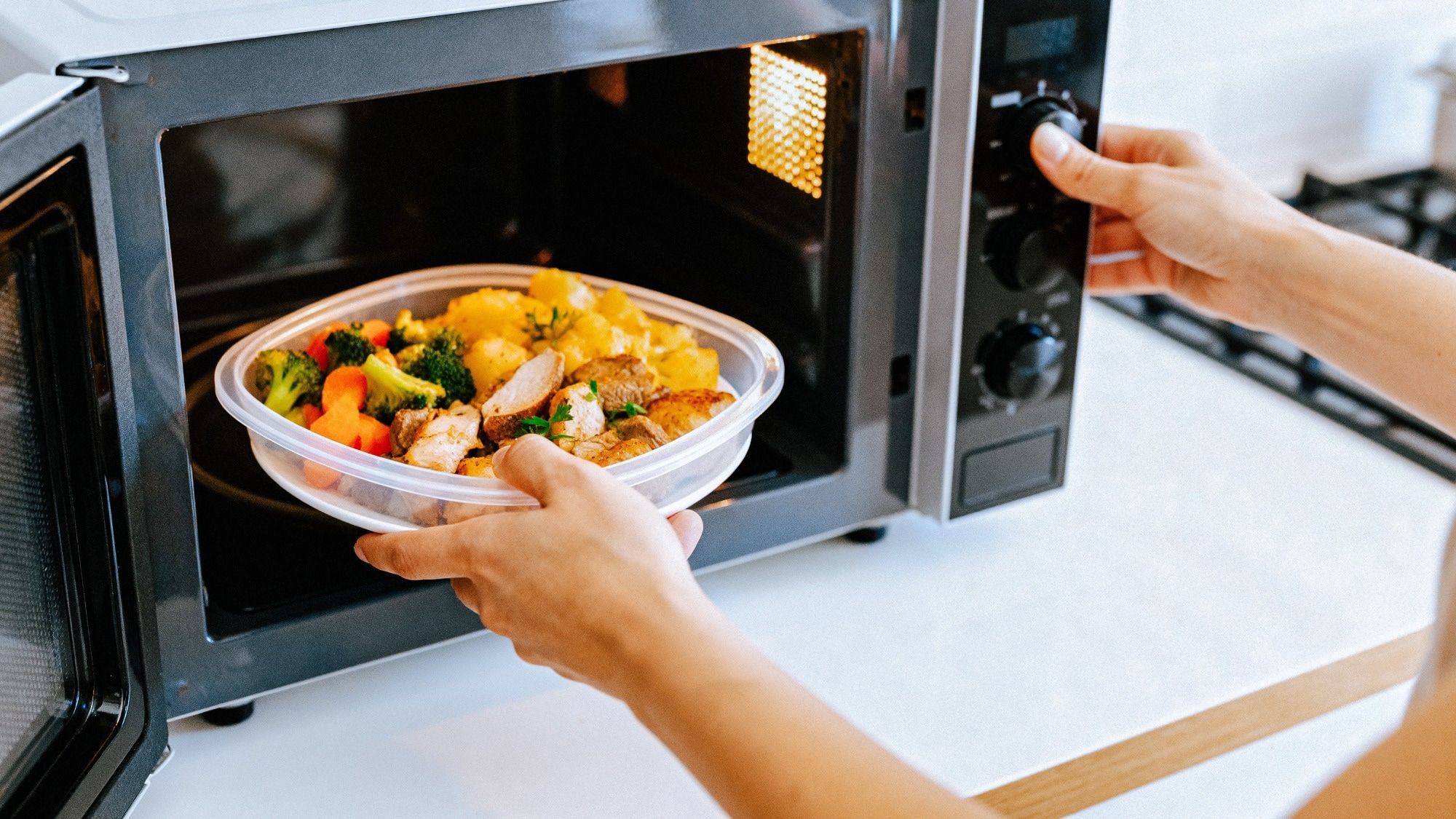
Microwave cooking is frequently misunderstood as a nutrient destroyer, but research shows it doesn’t uniquely degrade vitamins and minerals—most loss occurs due to heat exposure, water use, or prolonged cooking times. Compared to boiling, microwaving often retains more vitamins, as the method minimizes water immersion and shorter cooking durations. Studies suggest that while no cooking method preserves 100% of nutrients, microwaving can be a more efficient alternative for certain foods. The key to nutrient retention lies more in technique than the appliance itself.
Microwave cooking does not uniquely destroy nutrients; most nutrient loss is driven by heat, water, and cooking time rather than the method itself. It often preserves vitamins better than boiling, ...