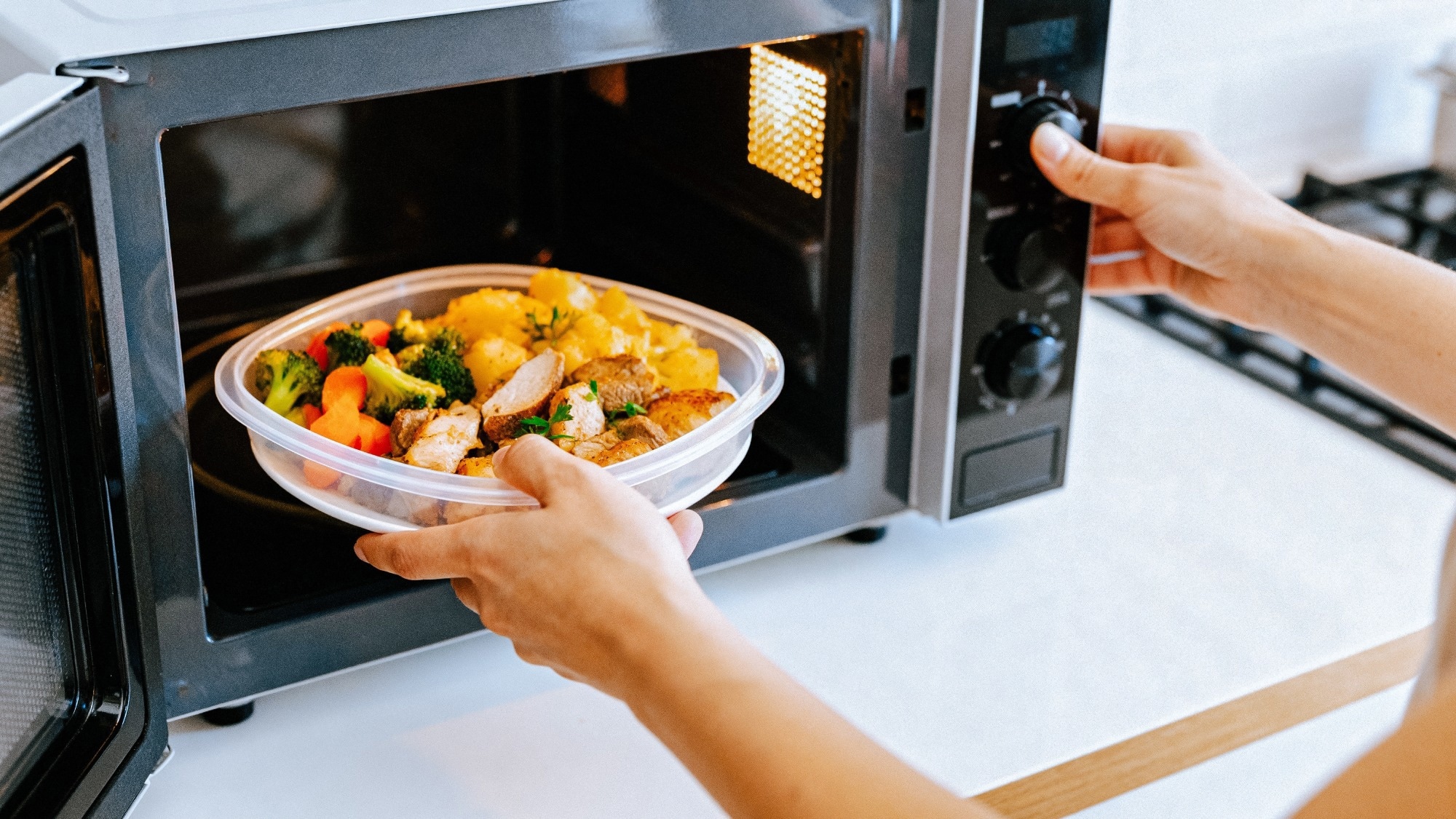
Microwave cooking is frequently misunderstood as a nutrient destroyer, but research shows it doesn’t uniquely degrade vitamins and minerals—heat, water exposure, and prolonged cooking time are the primary culprits behind nutrient loss. Compared to boiling, microwaving often retains more vitamins, particularly heat-sensitive ones, by minimizing water contact and reducing cooking duration. The method’s efficiency in preserving nutrients challenges the long-held assumption that it’s inferior to other cooking techniques. For those concerned about diet quality, the choice of cooking method may matter more than the appliance used.
Microwave cooking does not uniquely destroy nutrients; most nutrient loss is driven by heat, water, and cooking time rather than the method itself. It often preserves vitamins better than boiling, ...