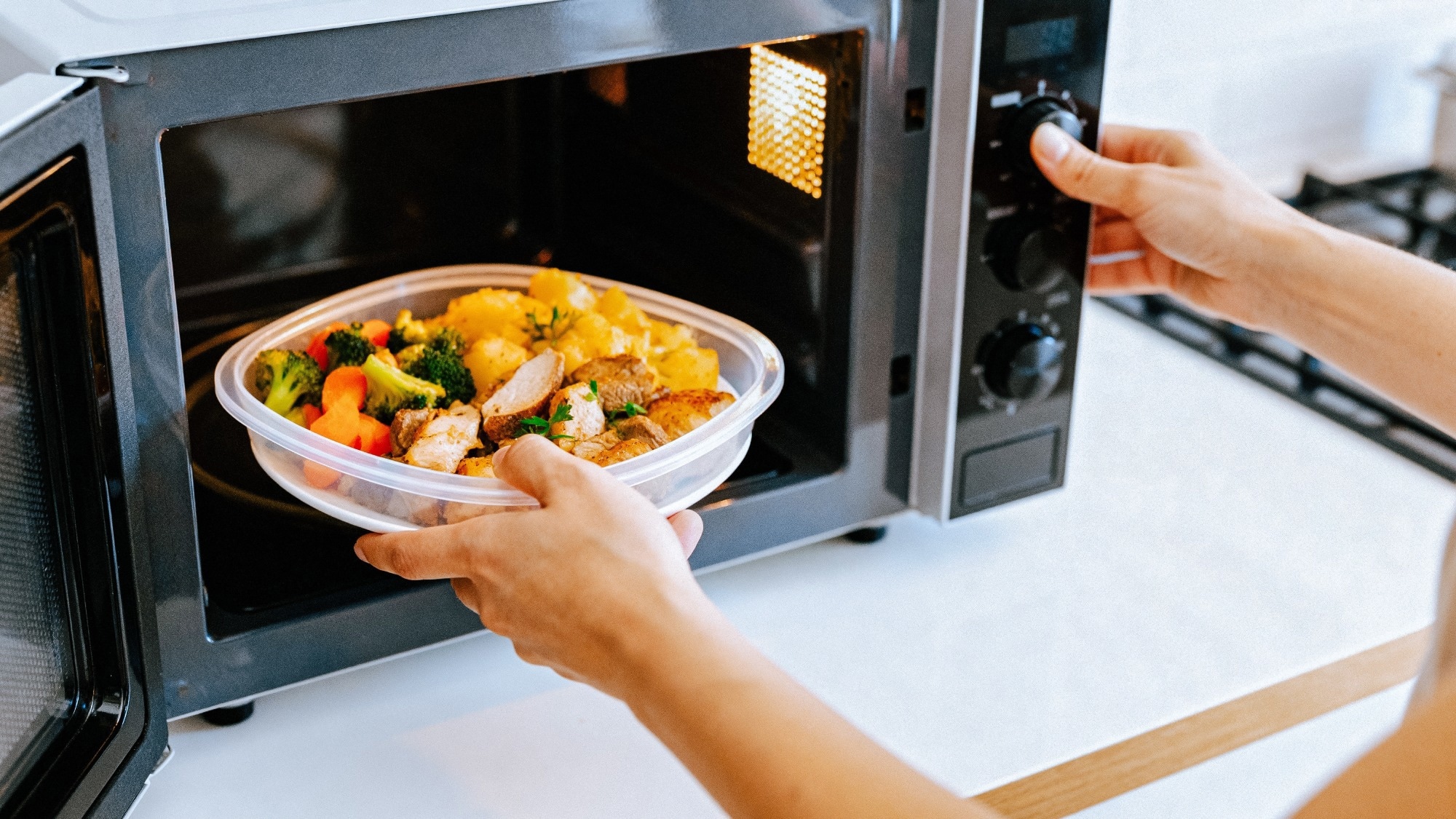
Microwave cooking is frequently misunderstood as a nutrient destroyer, but research shows it doesn’t uniquely degrade vitamins and minerals—heat, water exposure, and prolonged cooking times are the primary culprits. Compared to boiling, microwaving may actually help retain more vitamins in food, challenging long-held assumptions about its health effects. The method’s efficiency in minimizing nutrient loss could reshape how people view its role in meal preparation. For those curious about how cooking techniques impact nutrition, this breakdown offers key insights.
Microwave cooking does not uniquely destroy nutrients; most nutrient loss is driven by heat, water, and cooking time rather than the method itself. It often preserves vitamins better than boiling, ...