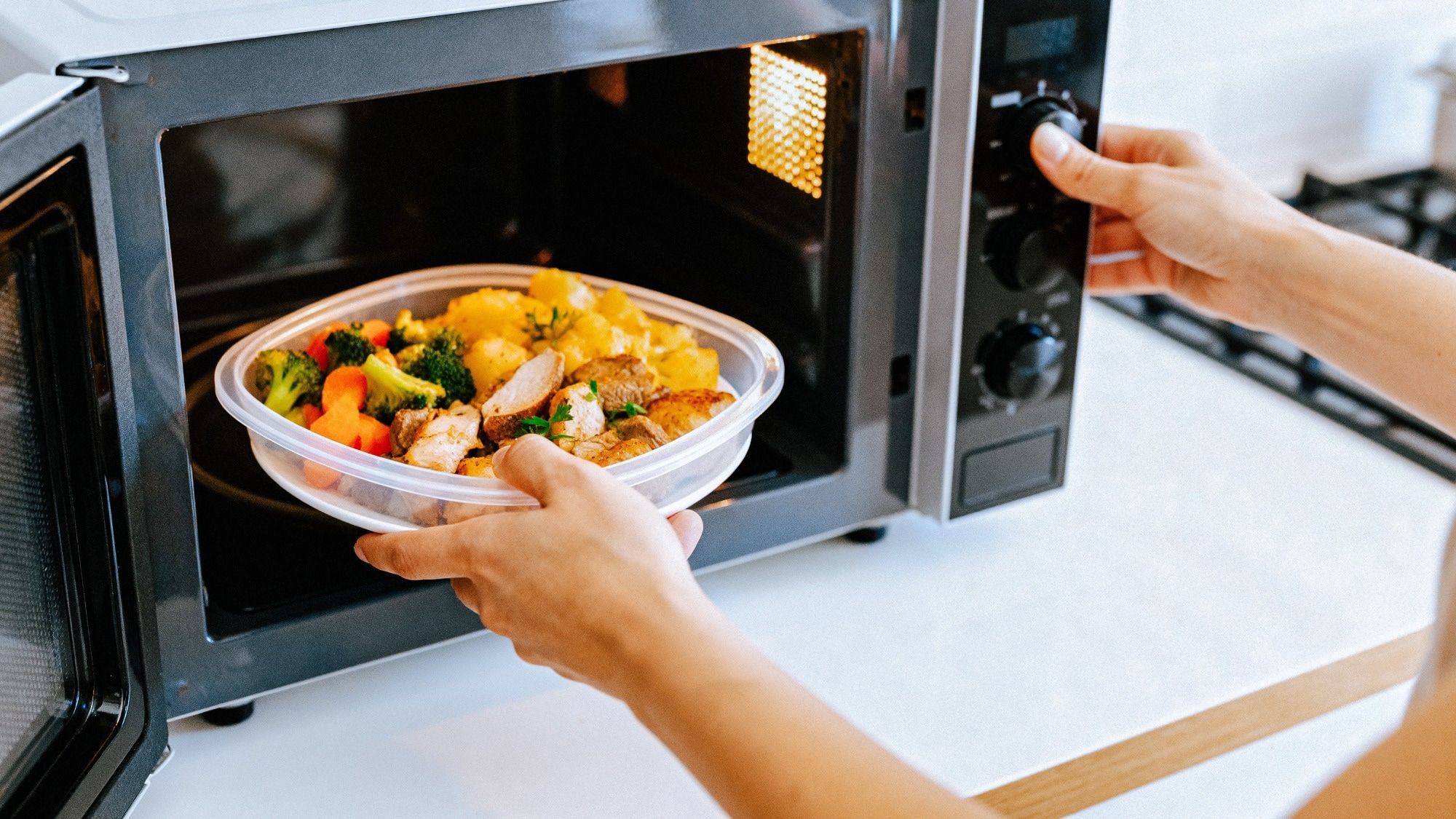
Microwave cooking is frequently misunderstood as a nutrient destroyer, but research shows it doesn’t uniquely degrade vitamins and minerals—heat, water exposure, and prolonged cooking time are the primary culprits. Compared to boiling, microwaving may actually help retain more vitamins in certain foods, challenging long-held assumptions about its health effects. The method’s efficiency in minimizing water loss and reducing cooking duration could make it a more nutrient-friendly option for some dishes. Experts weigh in on how preparation techniques influence nutritional outcomes beyond the appliance used.
Microwave cooking does not uniquely destroy nutrients; most nutrient loss is driven by heat, water, and cooking time rather than the method itself. It often preserves vitamins better than boiling, ...