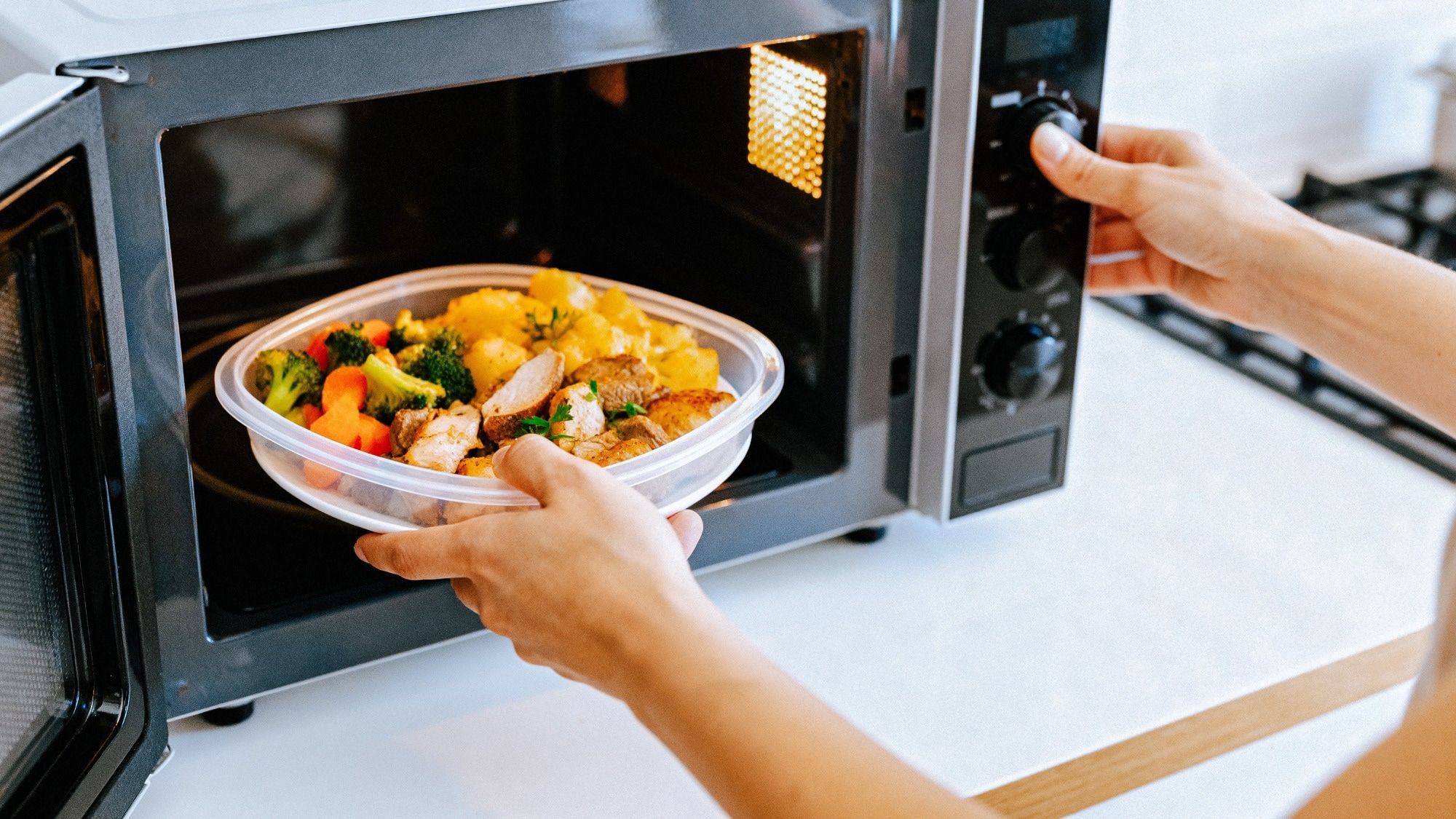
Microwave cooking has been unfairly maligned as a nutrient destroyer, with new research clarifying that heat, water exposure, and cooking duration—not the method—primarily degrade vitamins and minerals. Studies show microwaving can actually retain more heat-sensitive nutrients than boiling, offering a faster, more efficient alternative for preserving nutritional value in foods. The findings challenge long-held assumptions about how cooking techniques impact dietary quality, suggesting efficiency may play a bigger role in nutrient retention than previously thought. For those prioritizing both speed and nutrition, the results could reshape common kitchen practices.
Microwave cooking does not uniquely destroy nutrients; most nutrient loss is driven by heat, water, and cooking time rather than the method itself. It often preserves vitamins better than boiling, ...