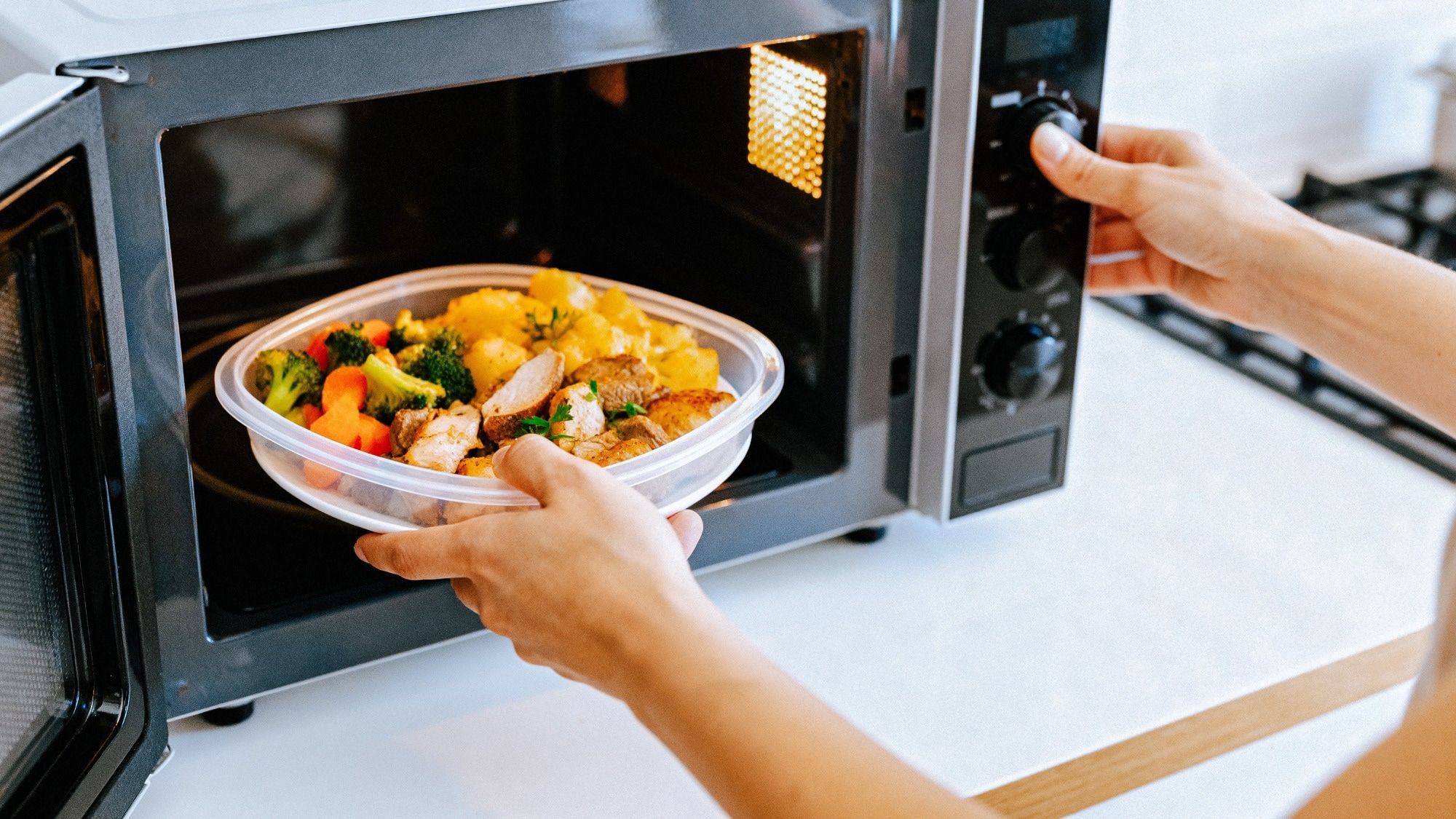
Microwave cooking is frequently misunderstood as a nutrient destroyer, but research shows it doesn’t uniquely degrade vitamins and minerals—heat, water exposure, and cooking duration play far larger roles in nutrient loss. Compared to boiling, microwaving often retains more vitamins, as it minimizes prolonged contact with water and excessive heat. The method’s efficiency in shorter cooking times may explain its better preservation of certain nutrients, challenging long-held assumptions about its nutritional drawbacks. For those weighing cooking methods, the findings suggest microwaving could be a more nutrient-friendly option in many cases.
Microwave cooking does not uniquely destroy nutrients; most nutrient loss is driven by heat, water, and cooking time rather than the method itself. It often preserves vitamins better than boiling, ...