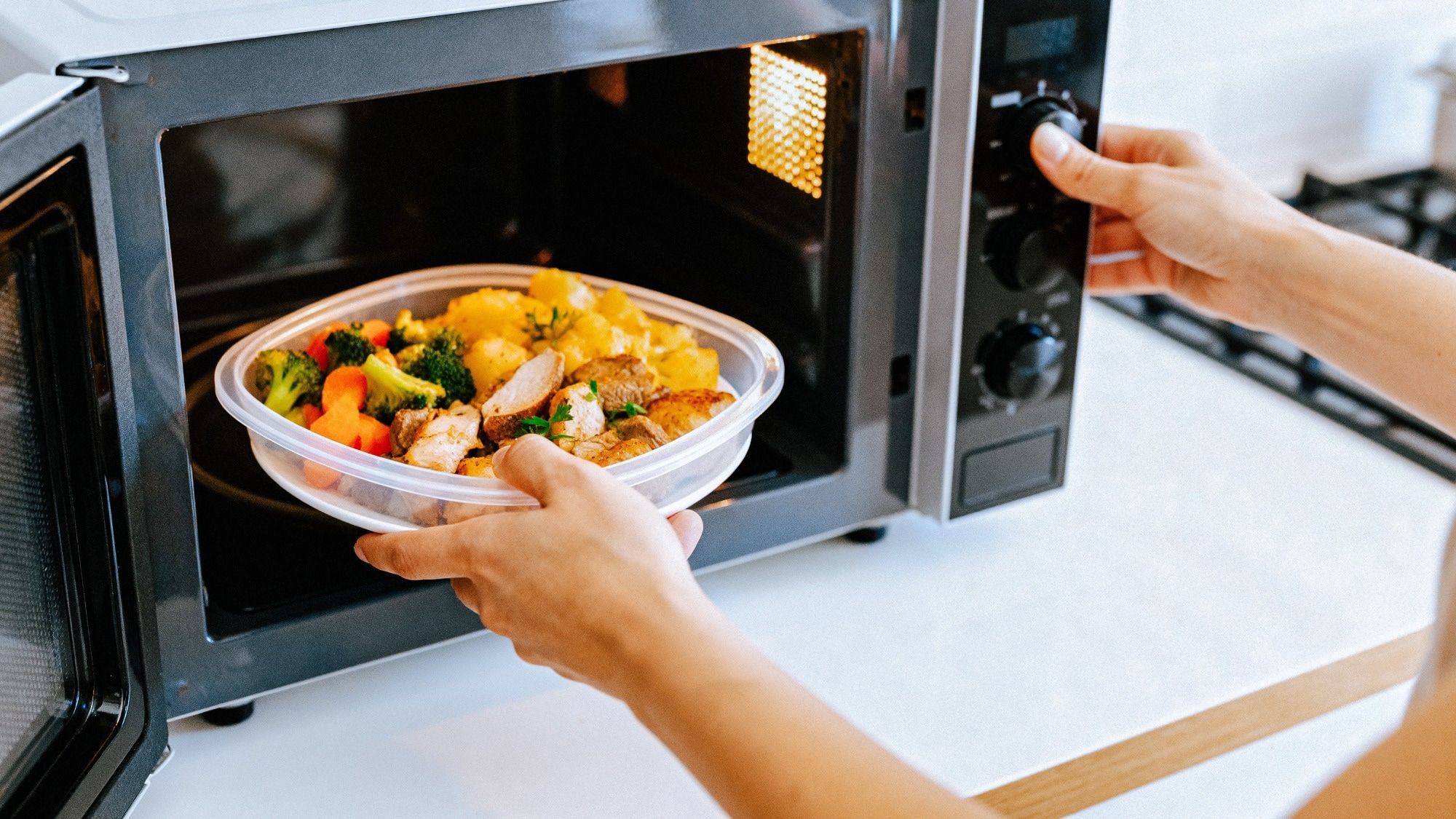
Microwave cooking is frequently misunderstood as a nutrient destroyer, but research shows it doesn’t uniquely degrade vitamins—heat, water exposure, and cooking duration are the real culprits. Compared to boiling, microwaving often retains more vitamins, as the method minimizes prolonged contact with water and excessive heat. The efficiency of microwave cooking in preserving nutrients challenges common assumptions about its impact on food quality. For those reconsidering their cooking methods, this finding may reshape perceptions of convenience and nutrition.
Microwave cooking does not uniquely destroy nutrients; most nutrient loss is driven by heat, water, and cooking time rather than the method itself. It often preserves vitamins better than boiling, ...