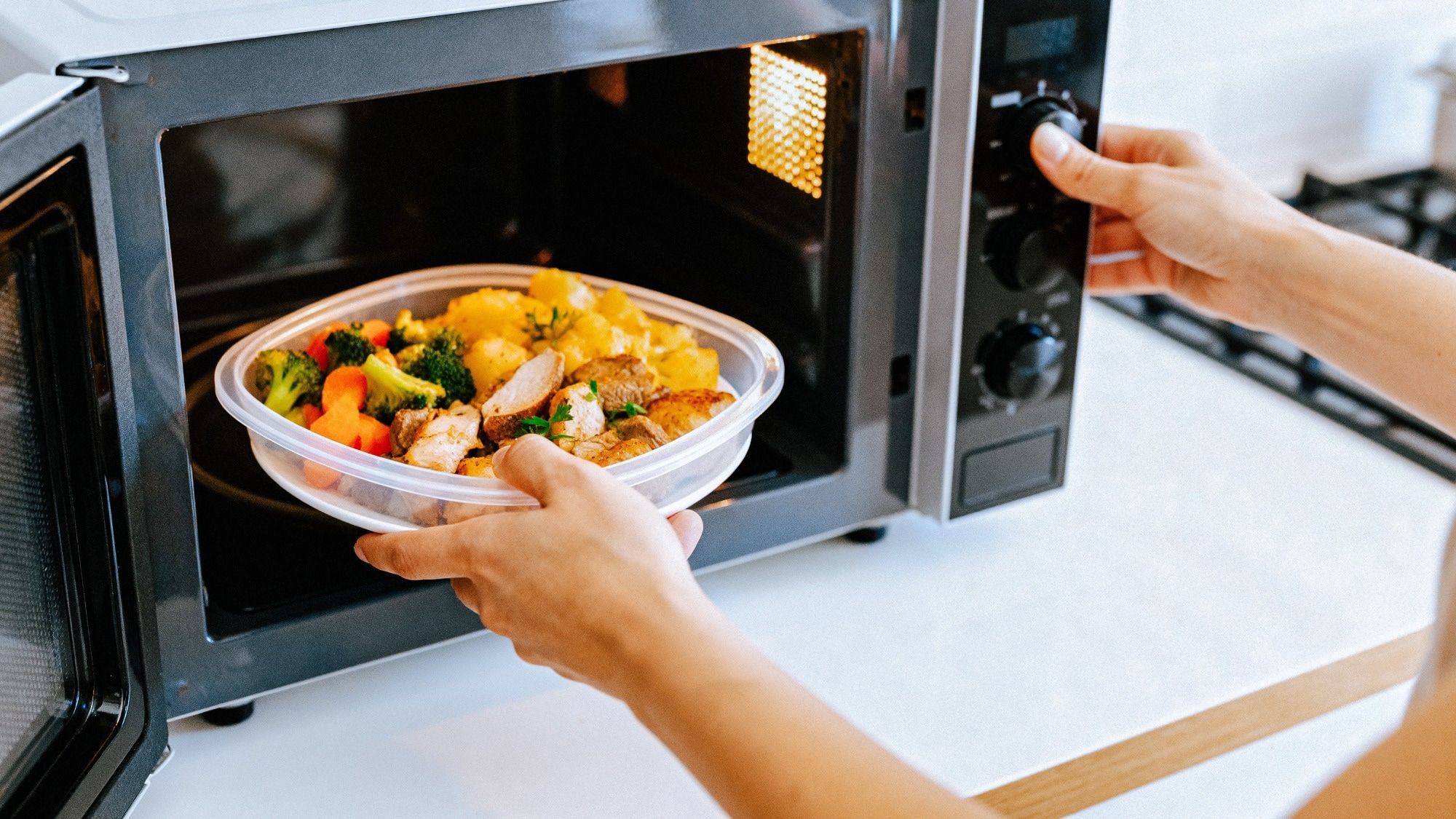
Microwave cooking is frequently misunderstood as a nutrient destroyer, but research shows it doesn’t uniquely degrade vitamins and minerals—heat, water exposure, and cooking duration play far larger roles in nutrient loss. Compared to boiling, microwaving often retains more vitamins, as prolonged water immersion leaches out heat-sensitive compounds. The method’s efficiency in minimizing cooking time may explain its reputation for better preservation, though overcooking remains a risk regardless of technique. For health-conscious cooks, the choice of method may matter less than how long and how much liquid is used.
Microwave cooking does not uniquely destroy nutrients; most nutrient loss is driven by heat, water, and cooking time rather than the method itself. It often preserves vitamins better than boiling, ...