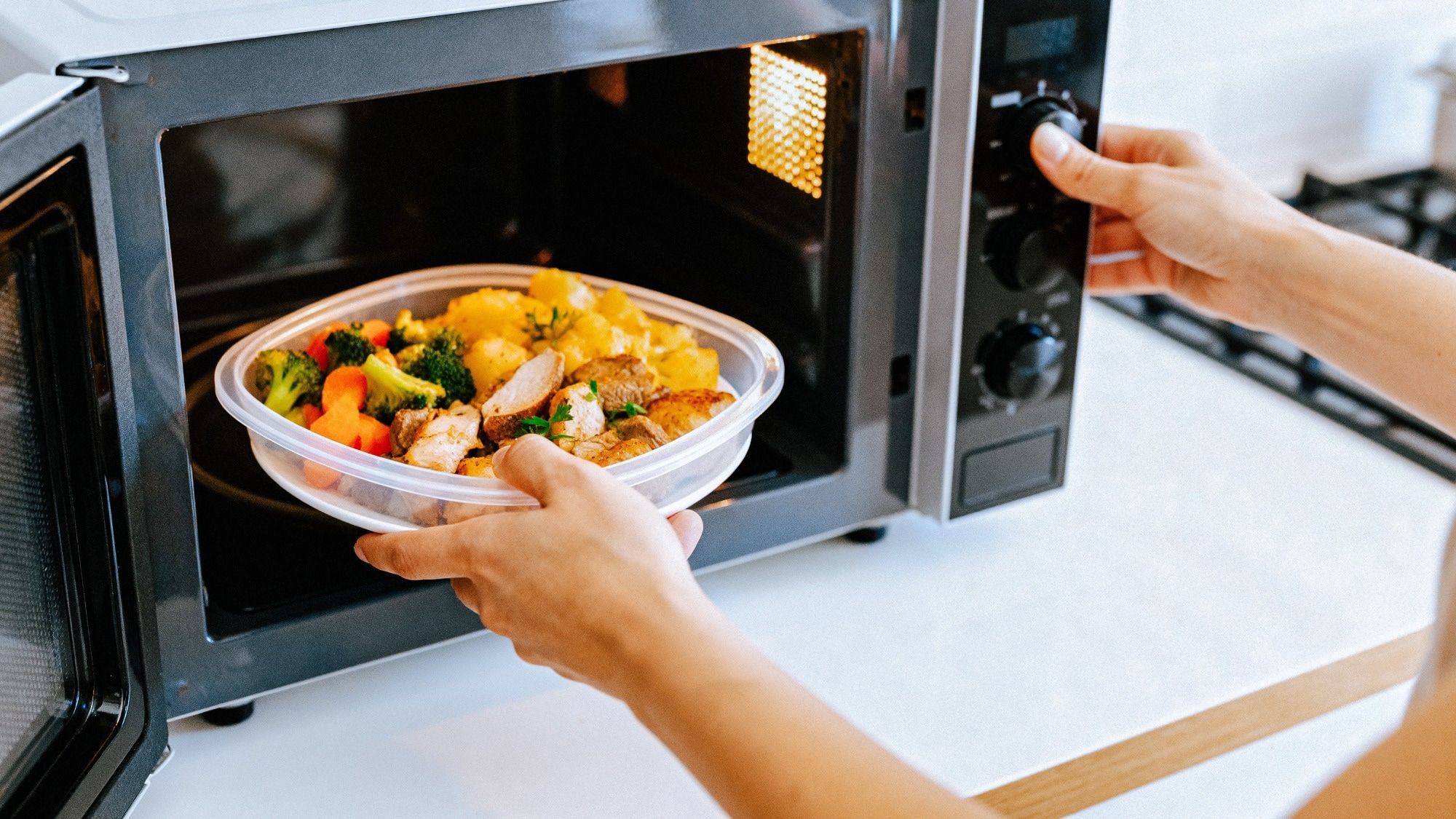
Microwave cooking is frequently misunderstood as a nutrient destroyer, but research shows it doesn’t uniquely degrade vitamins and minerals—heat, water exposure, and prolonged cooking time are the primary culprits behind nutrient loss. Compared to boiling, microwaving often retains more vitamins, particularly water-soluble ones like vitamin C, by minimizing leaching into cooking water. The method’s efficiency in shorter cooking cycles further reduces oxidation and degradation, challenging the assumption that it’s inherently less healthy than other techniques. For those prioritizing nutrition in meal prep, the findings suggest microwaving may offer an unexpected advantage over traditional cooking methods.
Microwave cooking does not uniquely destroy nutrients; most nutrient loss is driven by heat, water, and cooking time rather than the method itself. It often preserves vitamins better than boiling, ...