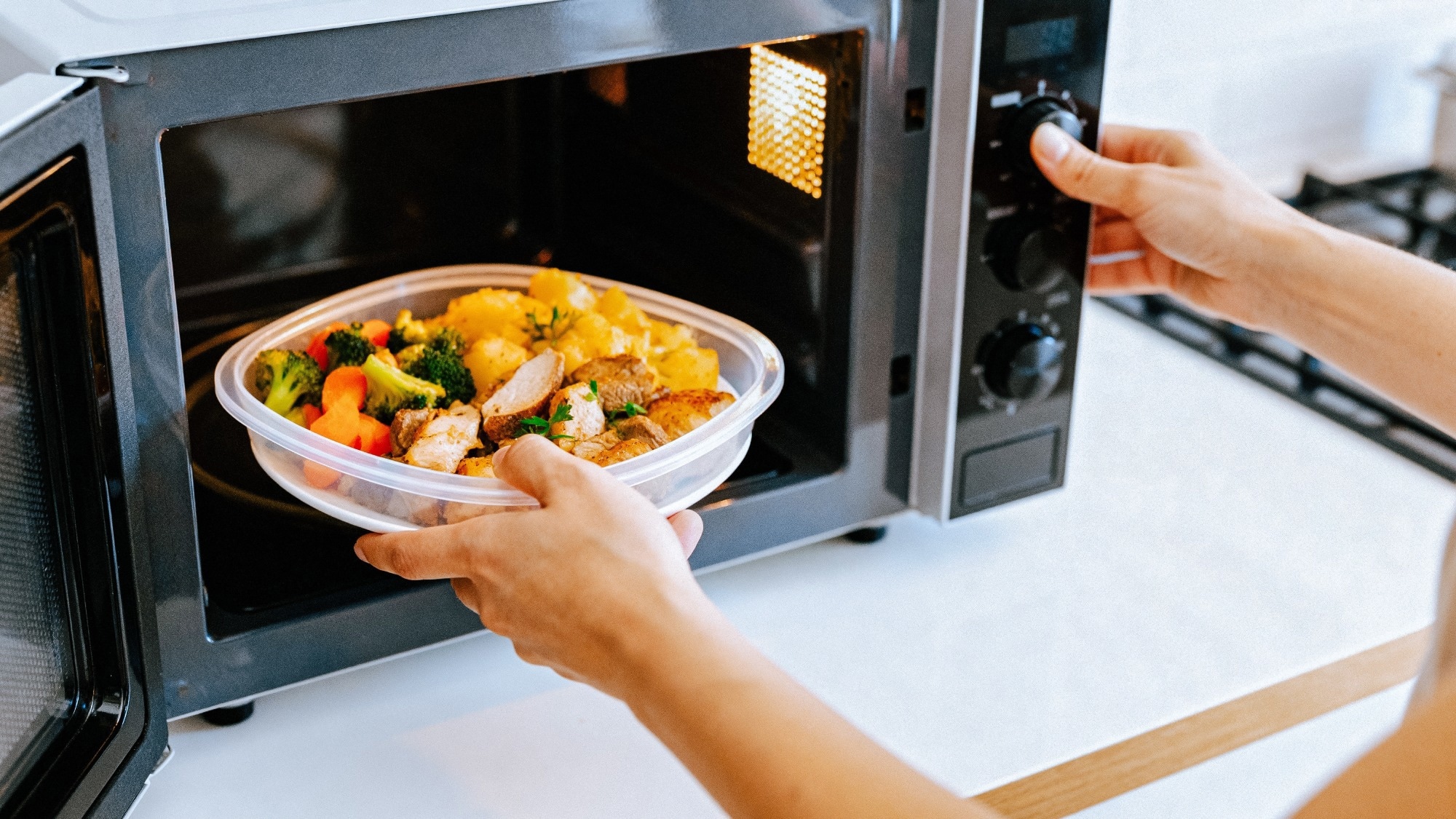
Microwave cooking is frequently misunderstood as a nutrient destroyer, but research suggests it doesn’t uniquely degrade vitamins and minerals—heat, water exposure, and cooking duration play a far greater role in nutrient loss. Compared to boiling, microwaving often retains more vitamins, as prolonged water immersion or high-heat methods tend to leach nutrients more aggressively. The method’s efficiency in minimizing cooking time may contribute to its better preservation of certain nutrients, challenging long-held assumptions about its effectiveness. For those prioritizing nutrition in meal prep, the findings could reshape how they approach cooking techniques.
Microwave cooking does not uniquely destroy nutrients; most nutrient loss is driven by heat, water, and cooking time rather than the method itself. It often preserves vitamins better than boiling, ...