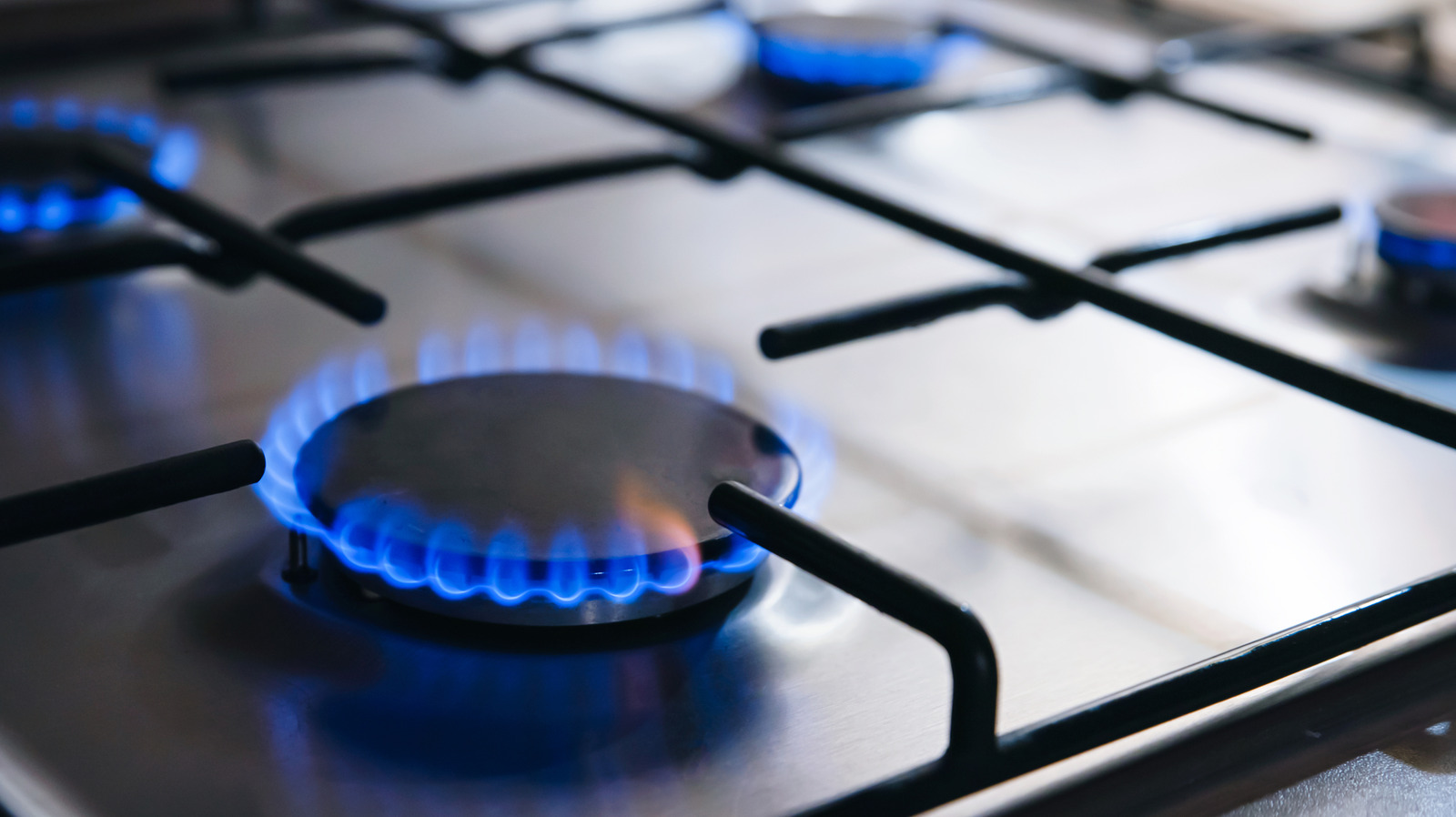
Gas stoves remain a popular choice for home cooks, but their use comes with notable drawbacks that potential buyers should consider. While they offer precise temperature control and quick heat response, they also produce higher levels of indoor air pollution, including nitrogen dioxide and carbon monoxide, which can pose health risks. Maintenance requirements, such as regular cleaning of burners and pilot lights, add to the upkeep compared to electric alternatives. Additionally, gas stoves rely on a continuous fuel supply, making them dependent on utility infrastructure and potentially subject to price fluctuations.
Gas stoves are an oft-coveted range type, but there are a few disadvantages to using them that current (and aspiring) gas stove users should know about.